Introducing the South Wales Valleys
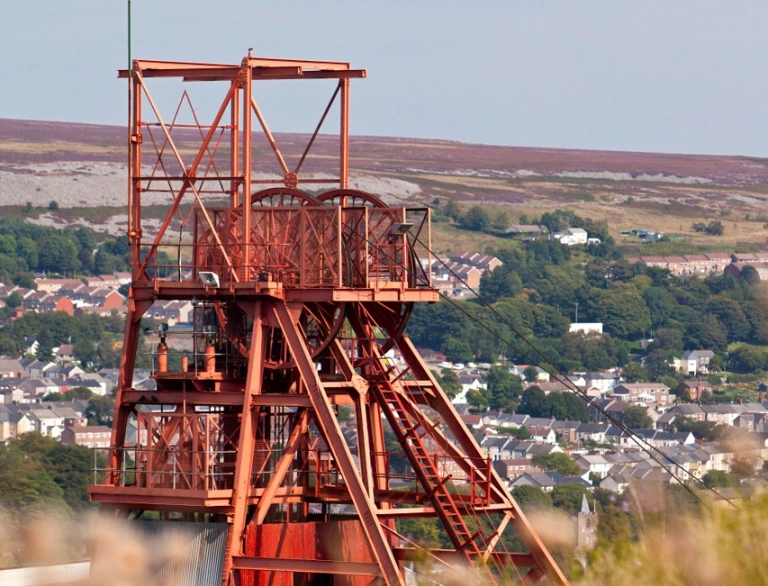
Treading north from Caerdydd (Cardiff) and Casnewydd (Newport) towards Bannau Brycheiniog National Park, the South Wales Valleys are dramatic places. They share a titanic industrial past, eclectic architecture that encompasses a UNESCO World Heritage Site packed with seminal early industrial-era buildings, one of Wales' grandest castles, and simply stunning nature, ramparted by steep forested hillsides and rushing rivers.
While the wider definition of the Valleys includes everywhere from Carmarthenshire east to Monmouthshire, the heart of the region that we focus on here begins with the Rhondda, Cynon and Taff Valleys in the west and continues east to the Llwyd Valley. See our FAQs about the South Wales Valleys for more on all the valleys included in this region.
In 2027, international eyes will be turned on this area as it hosts the thrilling climax of Stage Three of the Tour de France - the one with the most edge-of-the-seat climbs.
Rhondda: Coal-mining culture and zipline thrills
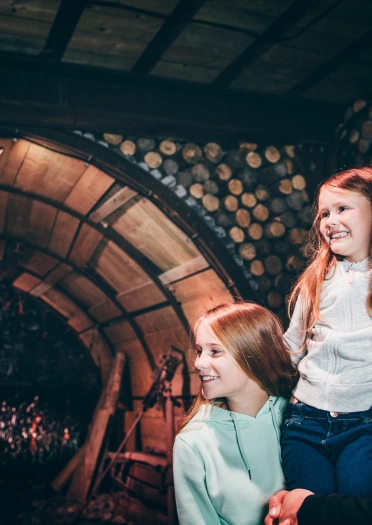
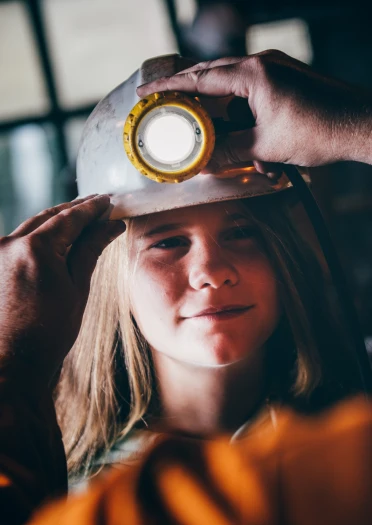
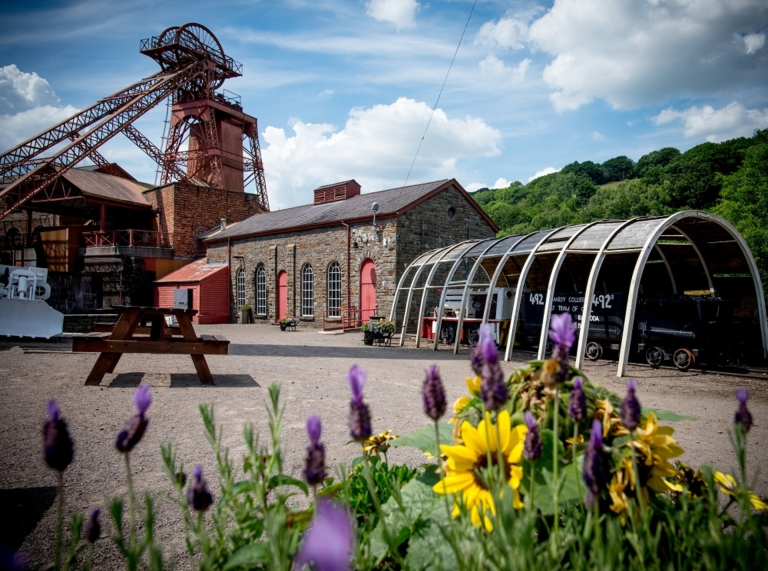
The town of Pontypridd is a vibrant gateway to both the Rhondda and Cynon valleys. From here, the first highlight you'll come to is a cultural one. A Welsh Coal Mining Experience is a poignant audiovisual journey underground with a former Rhondda Coal Fields miner. It recreates the area's heritage as the world's one-time foremost producer of top-quality steam coal, using interactive displays.
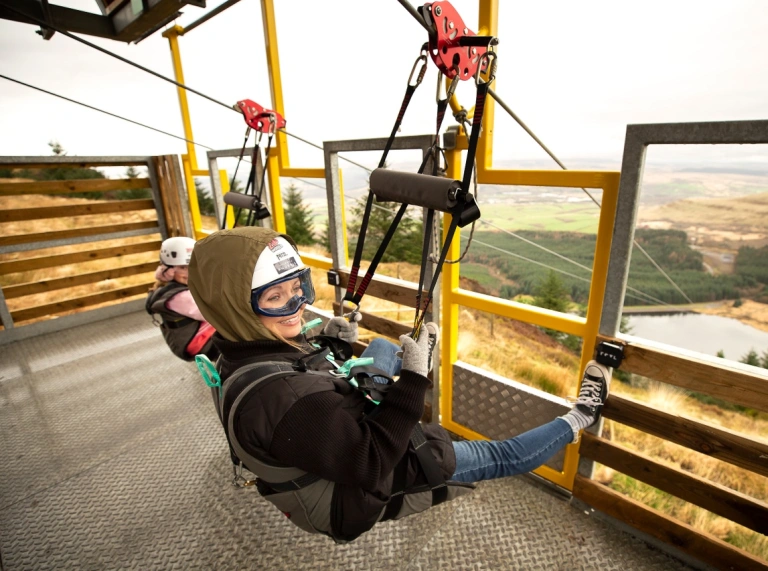
Any valley visit should end on a high, and none comes more heart-in-mouth than at Zip World Tower. Among a quartet of high-octane adventures, you can ride the world's fastest seated zip line down the mountain and across Llyn Fawr reservoir. The location on Rhigos Mountain, a dramatic 1650-foot divide between the Rhondda and Cynon Valleys and with a mountain road passing near the summit, also makes this a sensational cycling destination.
Cynon Valley: The 'Athens of Wales' and Wales' first whisky
Cynon Valley's cultural nexus is the dignified town of Aberdâr (Aberdare), 12 miles north of Pontypridd. With its mix of Victorian architecture, landscaped parkland, and vibrant eateries, it became known as the 'Athens of Wales' as it converted 19th-century iron and coal wealth into civic pride. It remains a great place to spend the day, with coffee in a 'bracchi' (traditional Italian-Welsh cafe) or catching a performance at the lively Art Deco Coliseum Theatre, where local rock band the Stereophonics were first signed!
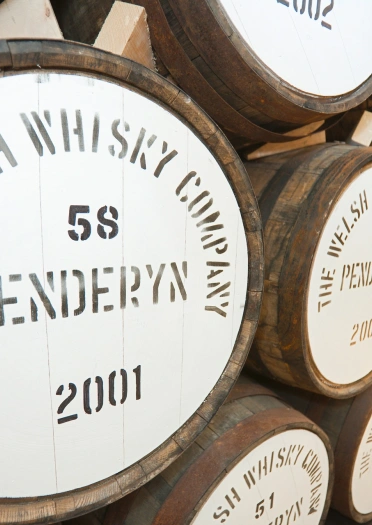
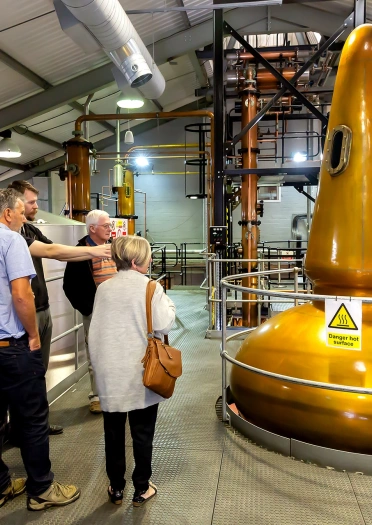
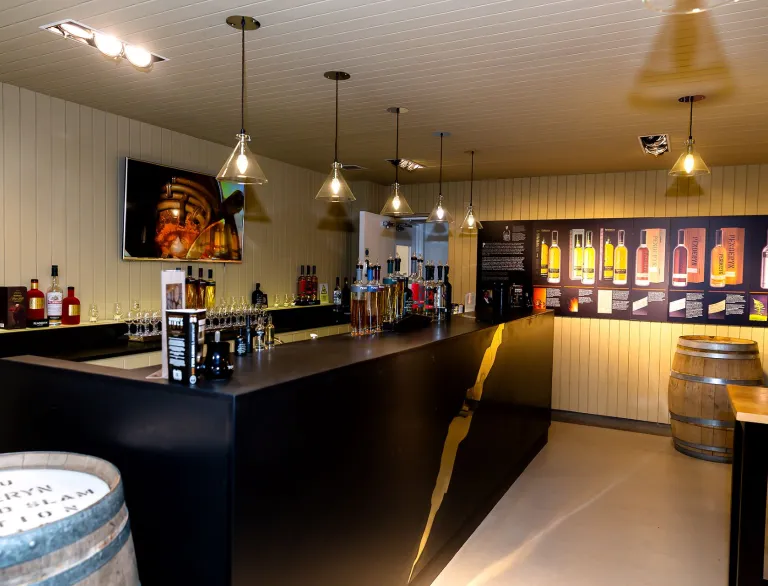
Continue further past Hirwaun to Penderyn Distillery. Based in Penderyn, near the head of the Cynon Valley, it is the first Welsh whisky producer since the 19th century and has won numerous awards for its less-is-more approach to producing quality single malts. It uses a one-of-a-kind single-pot copper still to achieve especially flavourful whiskies. Penderyn Visitor's Centre has tours, tasting sessions and masterclasses, as well as an exhibition of whisky-making in Wales.
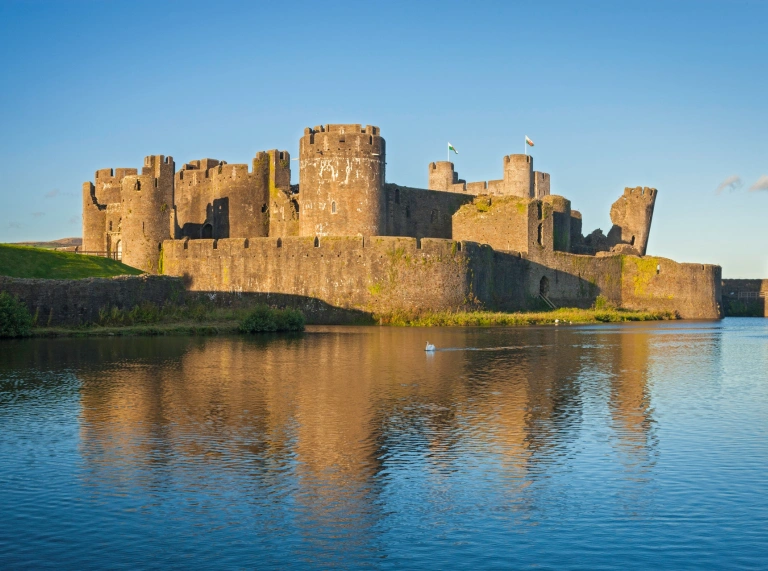
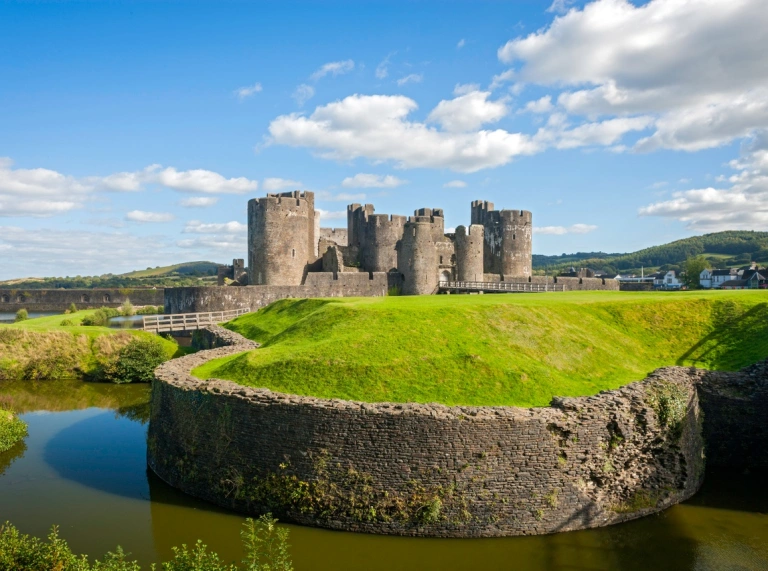
Caerphilly Castle
This is the biggest and arguably the most impressive castle in a country that isn’t short of an ancient monument or two, and is the UK's biggest fortress after Windsor Castle. Just a short drive from Caerdydd, Castell Caerffili (Caerphilly Castle) is surrounded by an elaborate collection of moats and islands and was renovated during the 19th century under the instruction of industrial magnate the third Marquess of Bute.
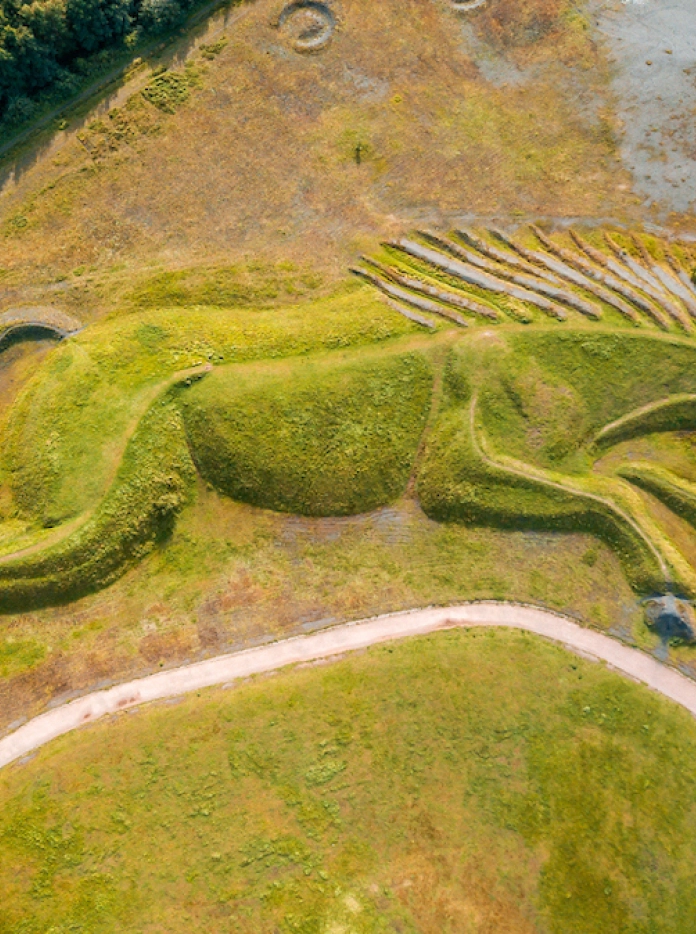
Carry on up the Rhymney Valley from Caerffili to Ystrad Mynach and one of the UK's largest figurative earth sculptures, 200m-long Sultan the Pit Pony. It's surrounded by the beautiful Green Flag Award winning Parc Penallta, created on the site of a former coal tip. The park is part of the Valleys Regional Park, a network of green spaces created from ex-industrial sites.
Ely Valley: Home of The Royal Mint
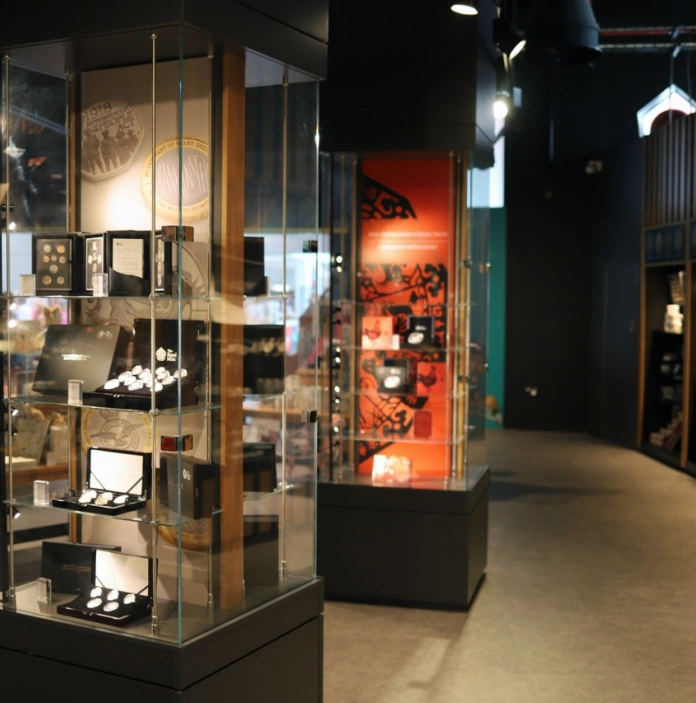
In Ely Valley, located in Llantrisant since 1968, is an unexpected and utterly unique attraction - The Royal Mint is the place where all UK coins are produced. The Royal Mint Experience gives visitors a chance to see the coins being made, to strike your own coin, check out coins that have survived more than 1000 years, explore the history of currency, learn how metal is sourced to make money today and - of course - attempt to lift the one million pound bar of real gold.
Merthyr: Cyfarthfa Castle, an exhilarating bike park and a mountain railway
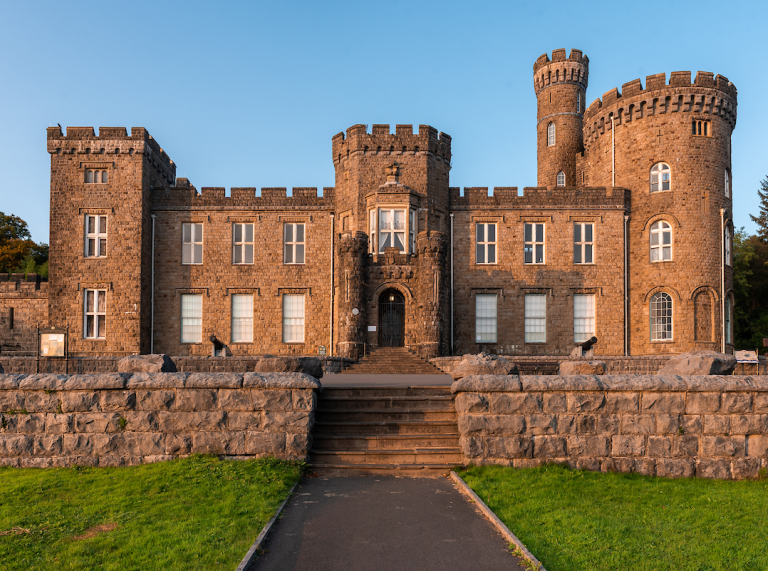
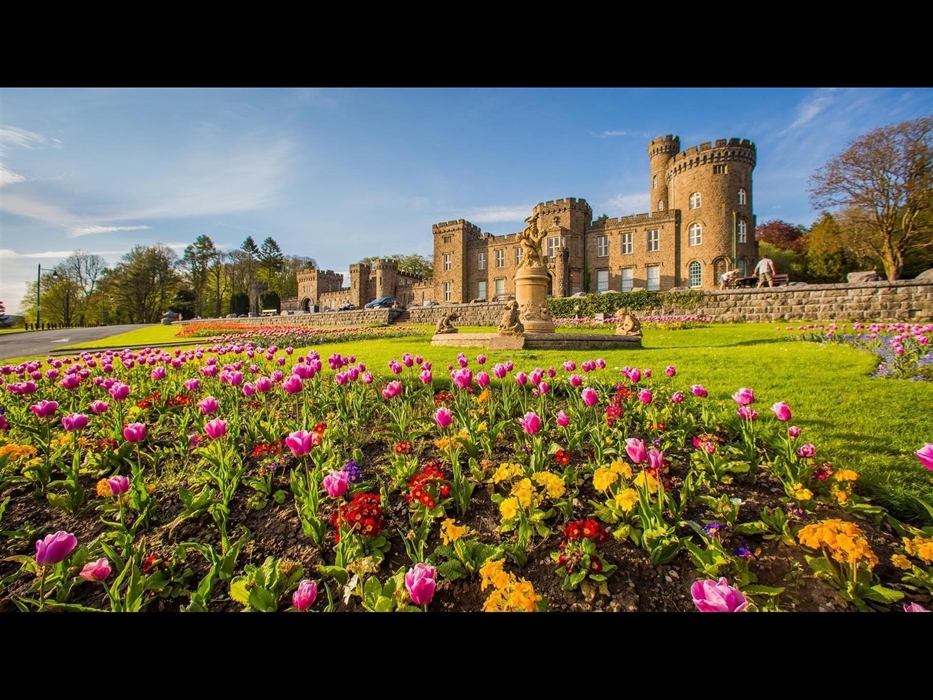
Merthyr Tudful (Merthyr Tydfil) was the focal point of iron production during the Industrial Revolution. It became the most populated town in Wales in the early 1800s with people drawn from all over the world to work at the ironworks owned by the Guest and Crawshay families. Cyfarthfa Castle was built by magnate William Crawshay II in 1824 and the museum offers a fascinating insight into Merthyr's colourful history.
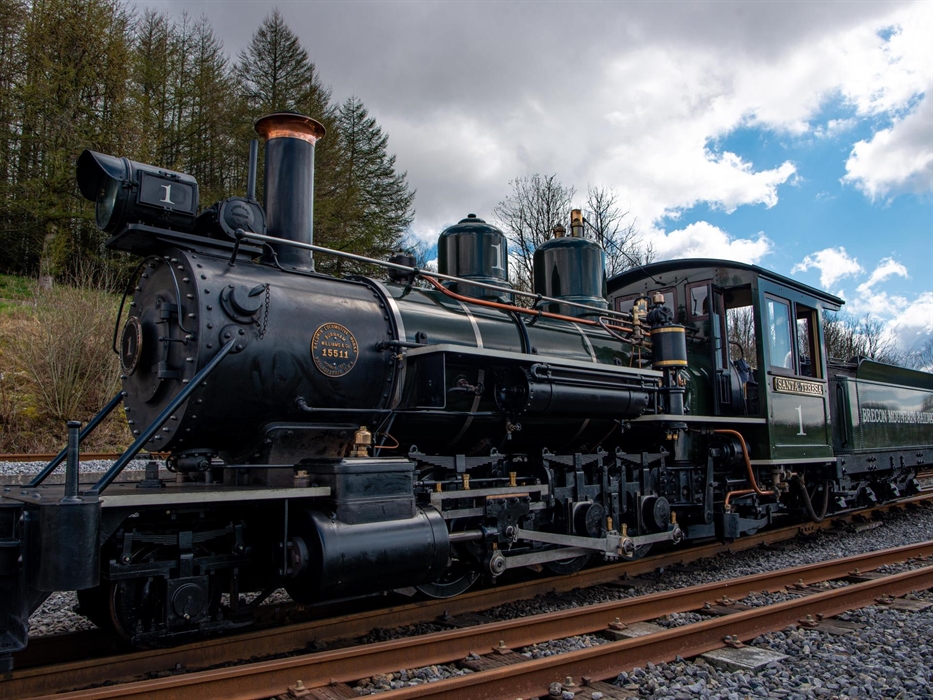
A picturesque journey along Brecon Mountain Railway on a traditional steam train into Bannau Brycheiniog National Park also takes in some magnificent sights. These include the peaceful Taf Fechan valley, Taf Fechan Forest and Pontsticill Reservoir at the end of the line.
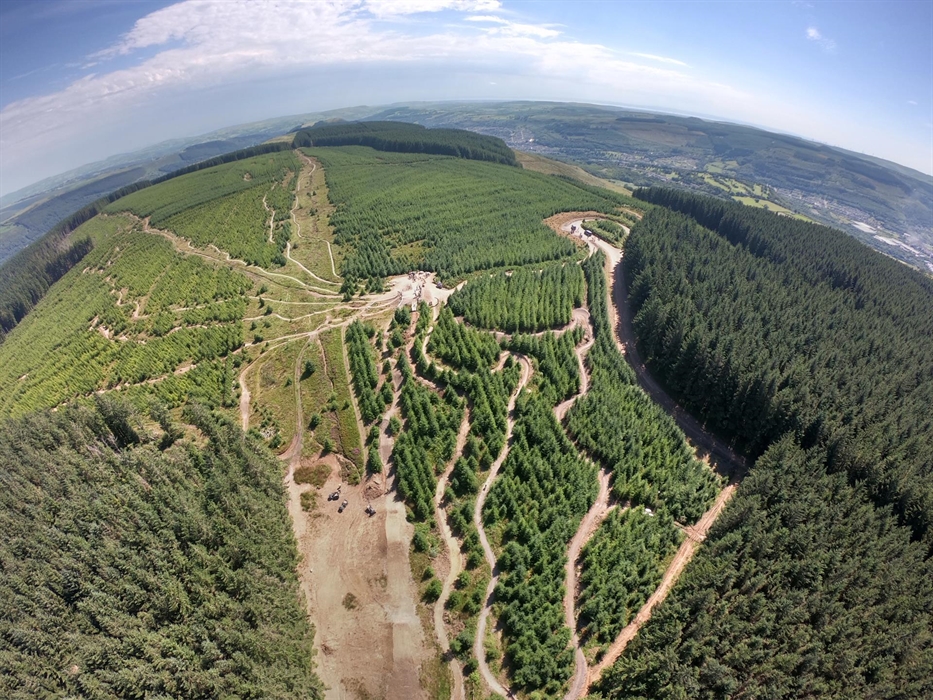
While in the Merthyr area, mountain bikers will be uplifted to know about BikePark Wales, with its impressive selection of all-weather mountain bike trails. It straddles every ability level from beginner to advanced and features the UK's longest beginners gravity bike trail.


Llwyd Valley: Blaenavon World Heritage site
The 33 square km Blaenavon UNESCO World Heritage Site was of pivotal importance to the development of the Industrial Revolution. Blaenavon was once a global coal mining and iron production hub, and Blaenavon Ironworks was the setting for an ingenious multi-furnace ironworks established in the late 18th century. It became one of the Industrial Revolution's first large-scale iron and steel-producing sites, resulting in Cymru becoming the world's leading producer of these metals. Explore the fascinating authentically furnished Stack Square cottages, representing different periods in the site's history, and gawk at the mind-blowing scale of the ruined furnaces and foundry. Meanwhile, the history of the industrial landscape is covered in colourful depth at the Blaenavon World Heritage Centre, based in a converted school.
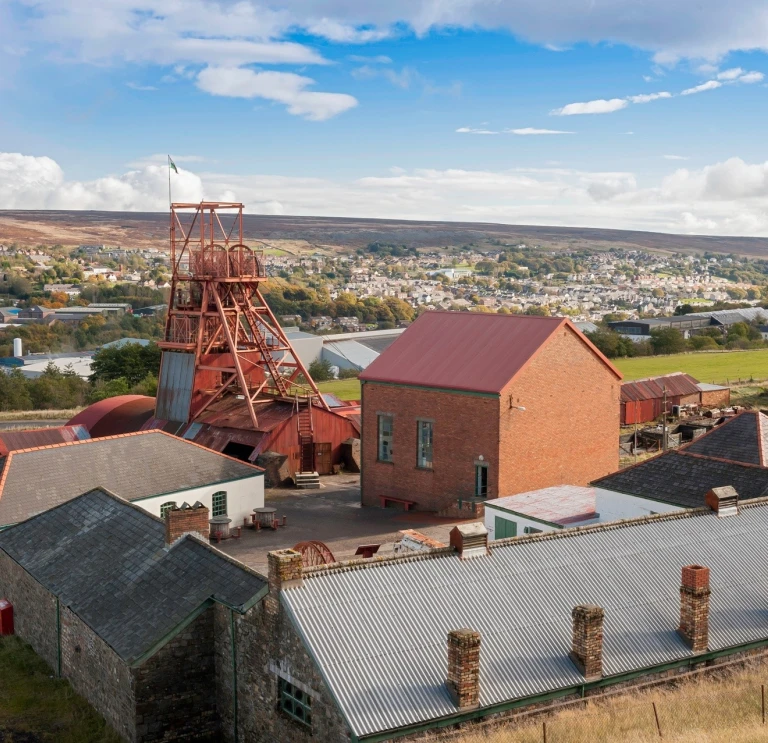
The most fun way to travel across the Blaenavon site is via the steam-hauled Pontypool and Blaenavon Railway, which runs from the ironworks to Big Pit National Coal Museum. The museum features a 300 feet/90 metre journey underground into labyrinthine former workings to experience just what it was like to work in a coal mine, with former miners as guides to bring it atmospherically alive.