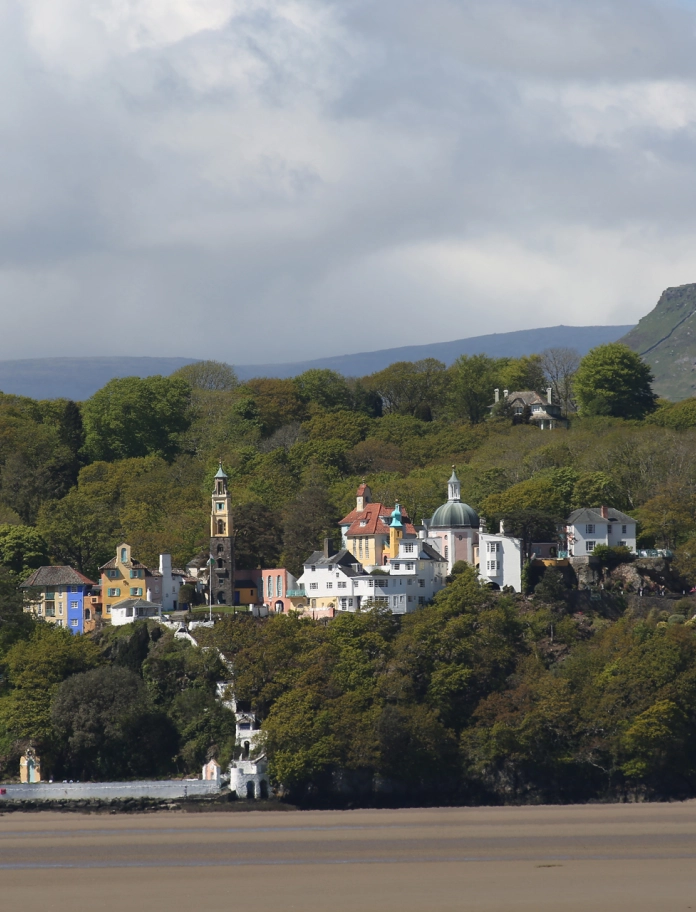

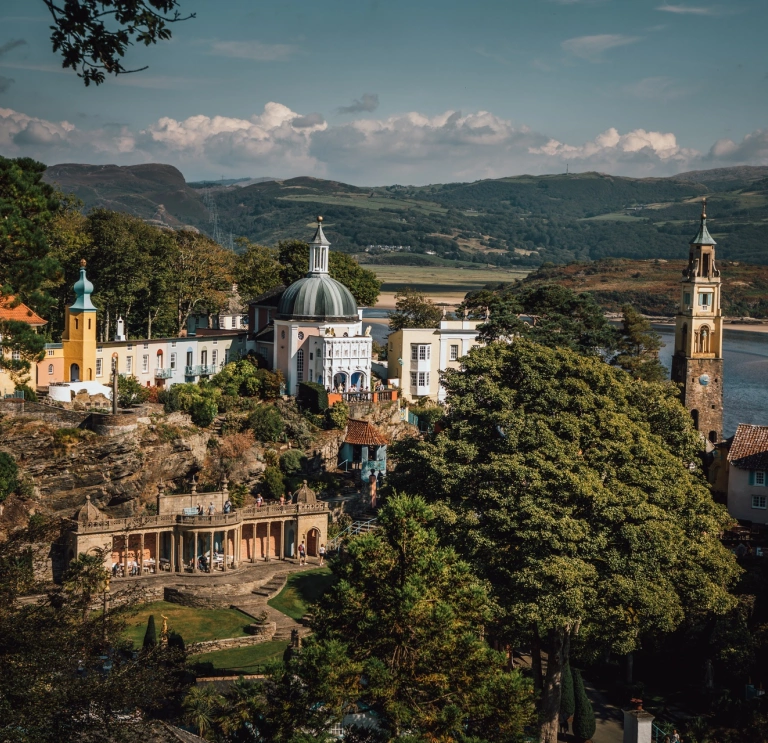
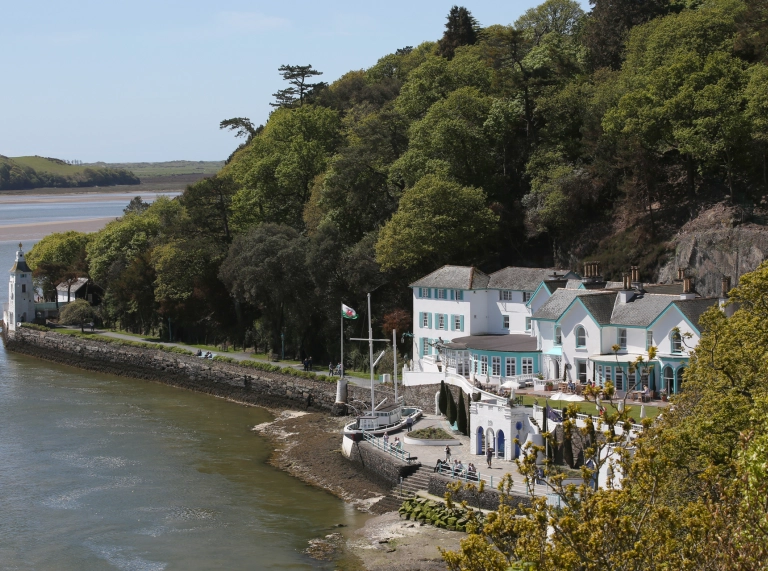
Designed by Sir Clough Williams-Ellis in the early 20th century, Portmeirion's Riviera inspired houses, ornamental garden and campanile are a beautiful pocket of madness like no other.
Although many visitors come for the day, the wonderfully quirky Italianate village of Portmeirion Village and its surrounding area offer plenty to fill a long weekend. From woodland walks and waterfront views within the village to heritage railways, attractions and coastal scenery nearby, it's worth allowing extra time to explore.
Whether you're visiting for a few hours, or staying overnight, discover the 'must-see' sights both within the village and nearby.
Explore Portmeirion Village
Central Piazza
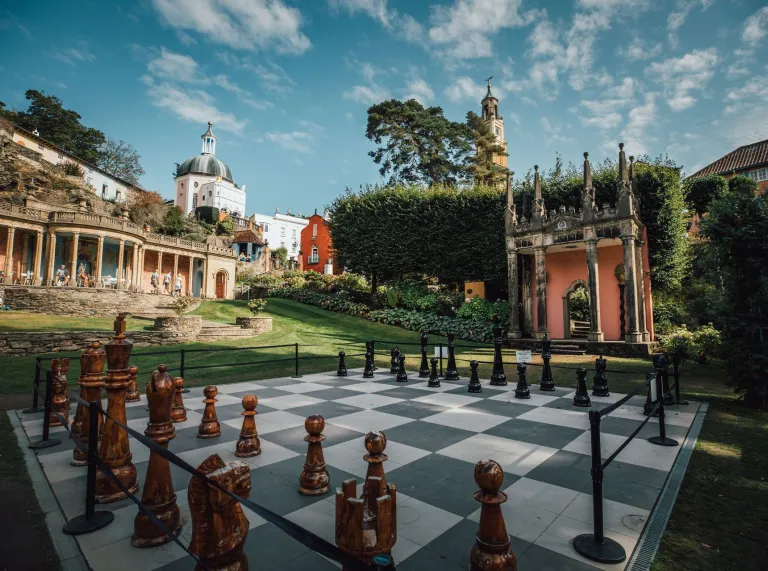
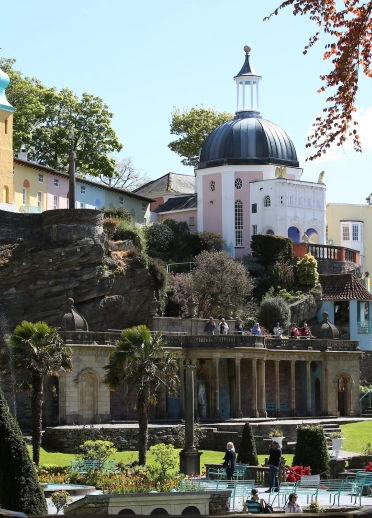
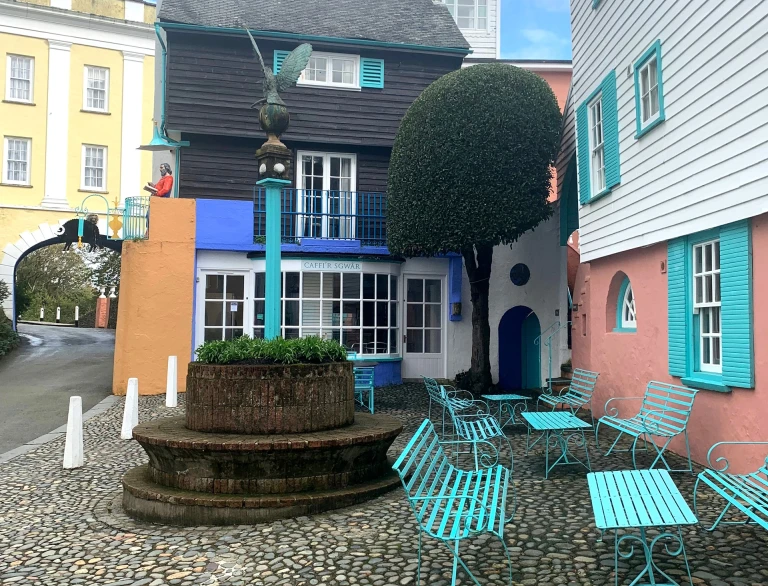
With its Riviera inspired houses, ornamental garden and campanile, this is the centrepiece of Portmeirion. It’s a beautiful pocket of madness. Its architect, Sir Clough Williams-Ellis, was an ardent environmentalist who wanted to create a functional and attractive private village that would act as ‘propaganda for good manners’. It opened in 1926.
An architectural stroll
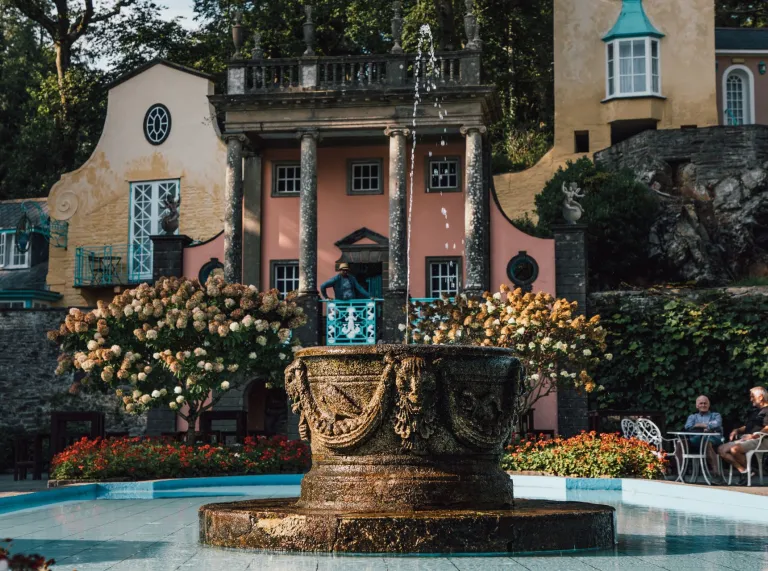
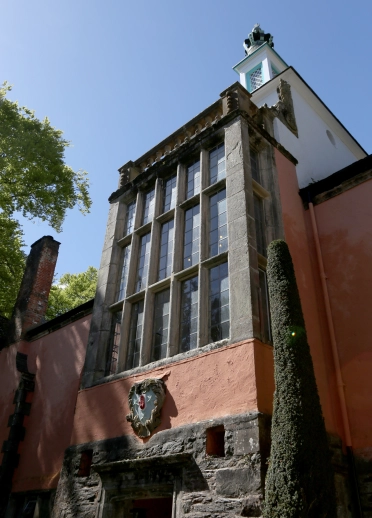
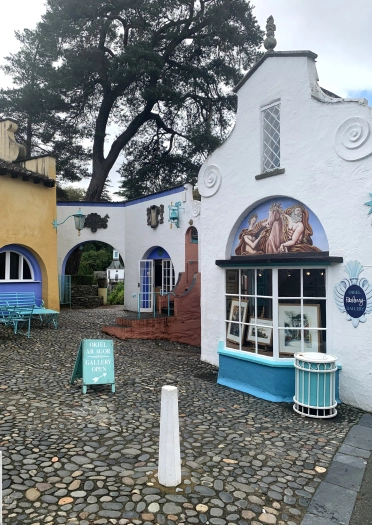
Williams-Ellis’ village is compact, but his clever use of arches, slopes and window sizes makes it seem larger than it is. The Rough Guide to Wales calls it 'a gorgeous visual poem'. Take time to admire the Gothic Pavilion, Bristol Colonnade, Hercules Hall and Belvedere. Statues, corbels and whimsical details fill every nook with interest.
Head to the waterfront
The Quayside
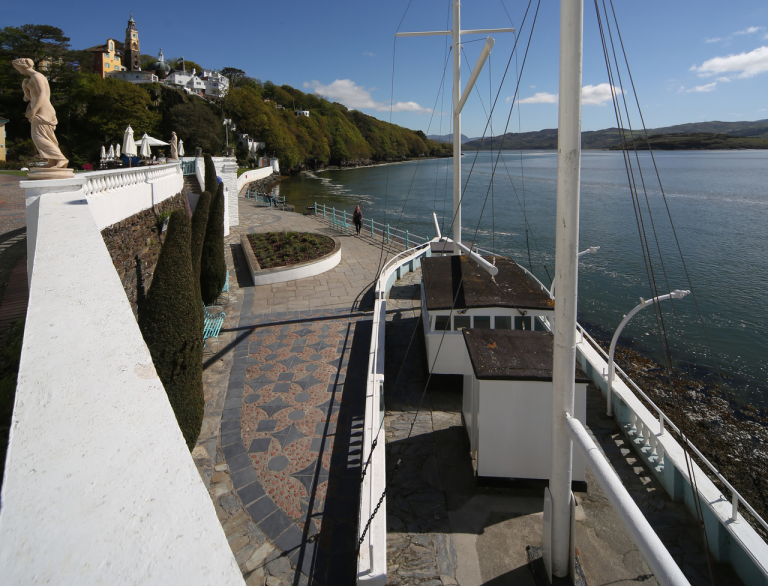
From the start, Williams-Ellis designed Portmeirion as a tourist destination, with Hotel Portmeirion as its waterfront hub. Recent upgrades have been faithful to his quirky spirit. Outside, kids can play pirates in the Amis Reunis, a stone sculpture of an old ketch, or, in summer, take a dip in the heated pool.


Discover the gardens and woodland
The Gwyllt
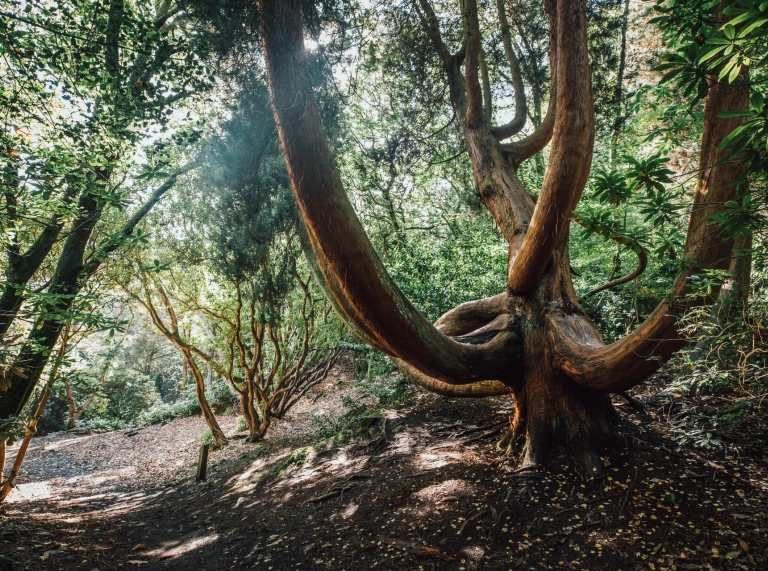
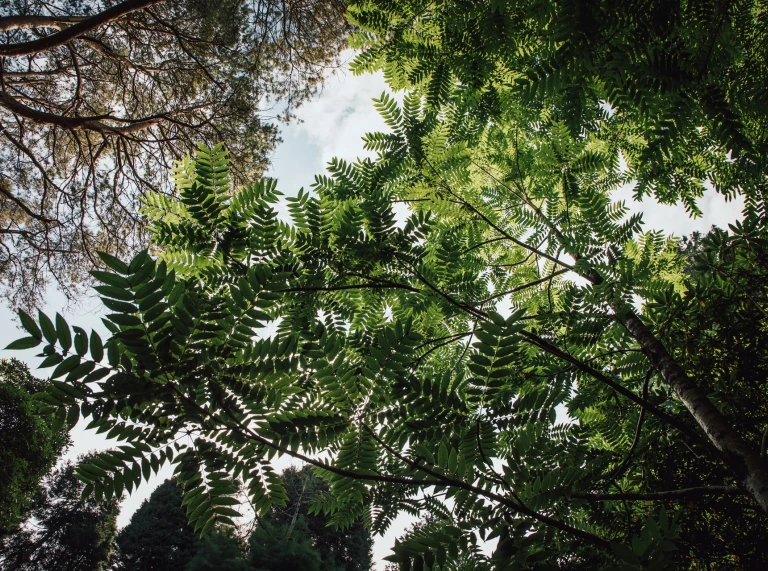
Stretch your legs in this ten-hectare woodland, an Edwardian wild garden designed by Caton Haigh, who was a world authority on Himalayan flowering trees and exotic plants. Camellias, rhododendrons, azaleas and magnolia and maidenhair trees bring fresh blazes of colour with each passing season.
Discover the village's character
Battery Square
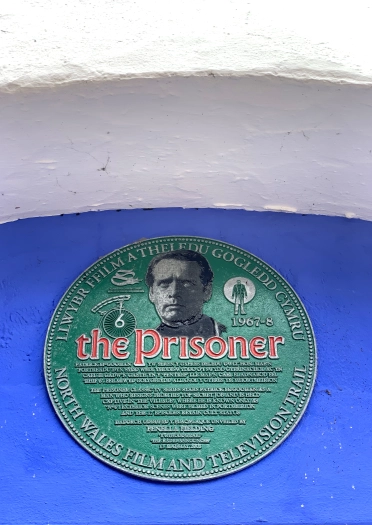
This pretty little plaza contains guest accommodation, and is a great spot to grab a coffee, Mediterranean-style. The Round House, the cottage where Number Six lived in The Prisoner, is now a shop selling nostalgic memorabilia.
Portmeirion Pottery
Williams-Ellis’ daughter Susan, a designer, was already selling her ceramics in Portmeirion when, in 1960, she took over a Stoke-on-Trent pottery and named it after the village. With a nice line in botanical motifs, the business blossomed. Traditional and contemporary earthenware is still a favourite purchase from the village gift shops, where you can also get a small selection of Portmeirion Pottery at discounted prices.
Explore the wider estate
Castell Deudraeth
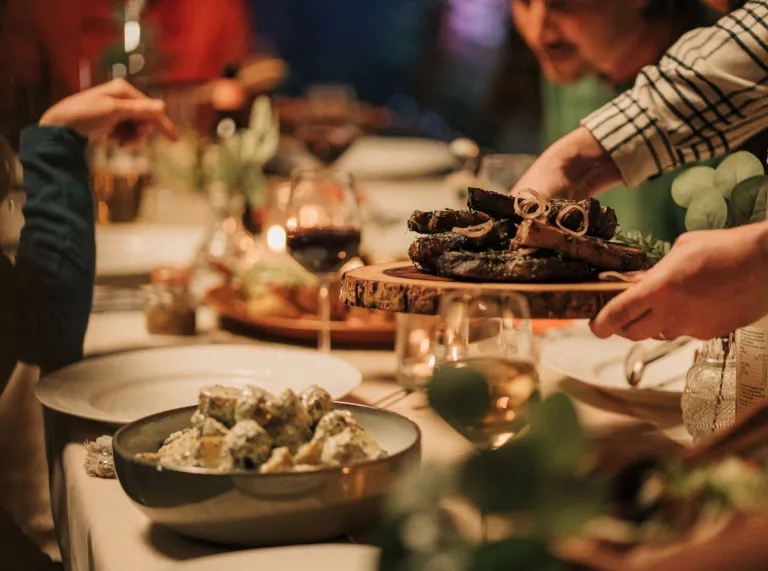
Outside the village but within the Portmeirion estate, this striking mansion has a stone façade, tall crenellations and Gothic flourishes. Originally the home of an early Victorian MP, Castell Deudraeth is now a hip hotel. The conservatory brasserie is worth a visit in its own right, serving seasonal Welsh dishes made with local ingredients, from fresh seafood and Welsh meats to indulgent desserts. The relaxed setting and views over the gardens make it a popular spot for a leisurely lunch or evening meal, with the option of tailored dining experiences for those looking to celebrate a special occasion.

Plan your visit
Portmeirion Village opening times and tickets
The Village is usually open every day from 9.30am to 5.30pm, apart from Christmas Day. Day tickets are available from the Tollbooth at the entrance or book online before your visit. Check out the Portmeirion website for current prices and opening hours.
How to get to Portmeirion
You can get to Portmeirion by car, train, bus or on foot. Portmeirion is around a mile from Minffordd, and is signposted from the A487. Minffordd has a railway station for both the Cambrian Coast Line and the Ffestiniog & Welsh Highland Railways. There's plenty of visitor parking near the entrance. For more details about getting there the Portmeirion website has the latest information.
Find out public transport options from the Traveline Cymru website.
Where to stay in Portmeirion
With so much to see within the village and the surrounding coast and countryside, you can choose to stay overnight and explore at a more relaxed pace.
Portmeirion Village has a lot of different accommodation options. There are the two 4 star hotels - the luxury waterfront Hotel Portmeirion and the more contemporary Castell Deudraeth. There are also beautiful hotel rooms scattered within the unique village houses, some with terraces and balconies. The 13 self-catering cottages are available on a weekly or short break basis and most have gorgeous views over the Dwyryd Estuary. The best thing about staying on site is that once the day visitors have gone, you'll have this magical place all to yourselves.
If you prefer to stay in the area, Porthmadog has places to suit all budgets, including historic country house hotels, family-run beach-side caravan parks and harbourside self-catering apartments.
Explore beyond Portmeirion
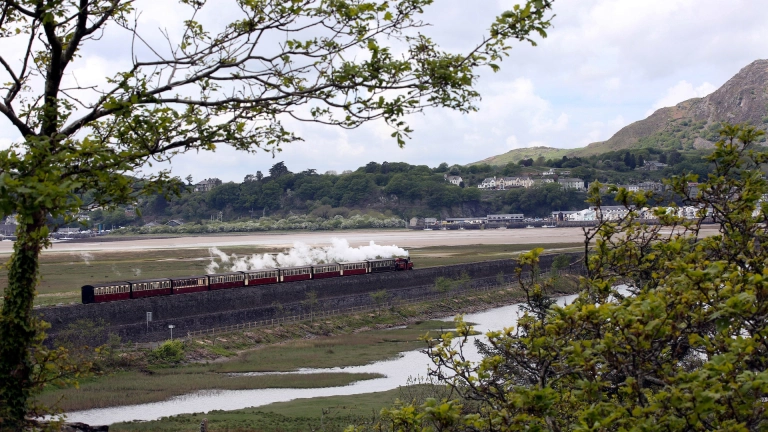
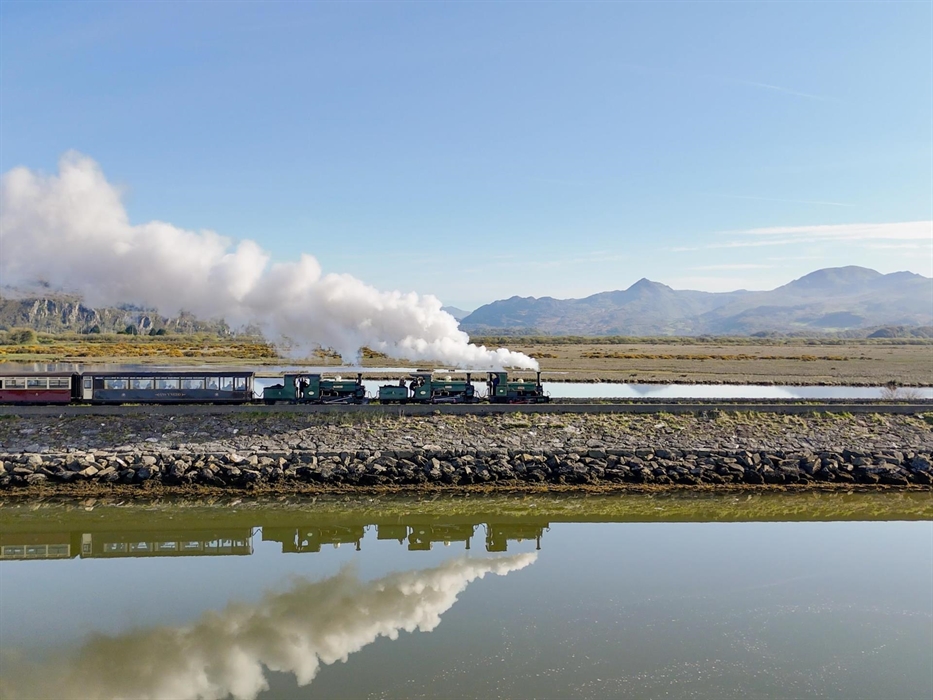
Minffordd Station is just a mile’s walk or drive from Portmeirion. With platforms for both the Ffestiniog & Welsh Highland Railways and the mainline Cambrian Coast railway, it’s a rail enthusiast's heaven. For a vintage treat, board a steam train bound for the heart of Eryri (Snowdonia) towards Blaenau Ffestiniog. Alternatively, take the short but scenic hop to Porthmadog, perhaps continuing north to Caernarfon via the Welsh Highland Railway.
Nearby Porthmadog is a bustling town with a harbour, supermarkets, galleries and plenty of independent shops and cafes. Attractions include the Welsh Highland Heritage Railway, Porthmadog Maritime Museum and the nearby Glaslyn Wildlife centre.

Best view of Portmeirion
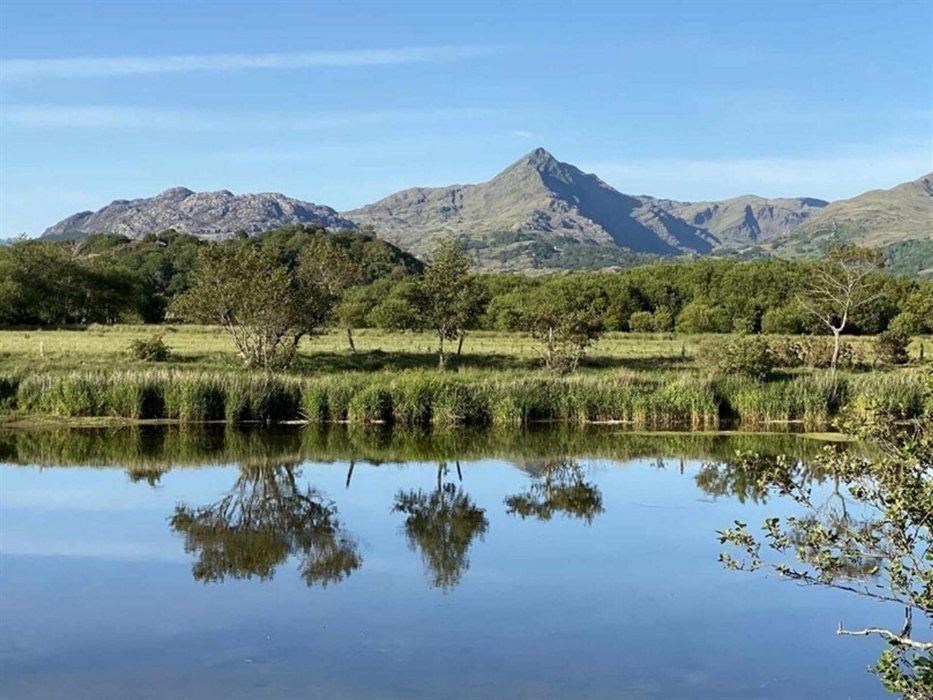
From Ynys, a village on the A496 between Harlech and Maentwrog, a lane leads north to the shore of the Dwyryd estuary. Relax and enjoy the distant view across the broad, tidal waters to Portmeirion, a jumble of white, ochre and pastel-coloured buildings standing out against the trees and the hills beyond.