What is the National Forest for Wales?
National Forest for Wales is the Welsh Government's ambitious aim to create a network of biodiversity through our country, by linking existing woodlands and planting new trees along the way. Not only will the forest support different ecosystems, it will help combat the climate emergency and provide easily accessible routes for exploring nature through a range of trails. Find out more on the National Forest for Wales website.
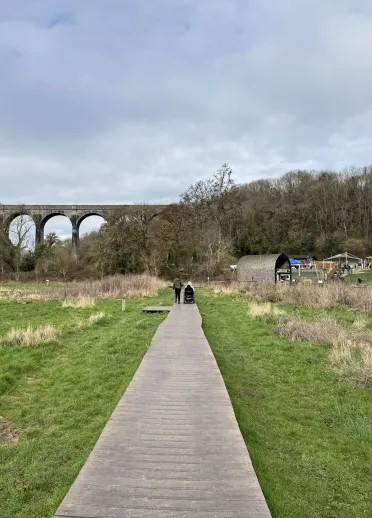
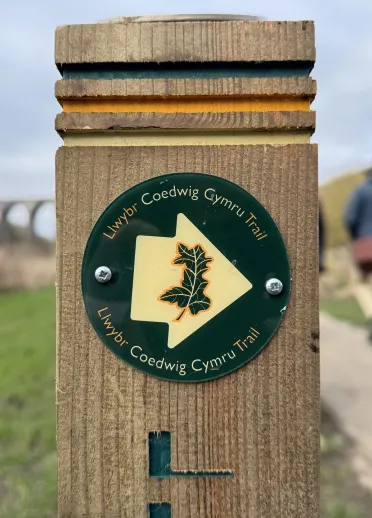
Part of this project is to create the Llwybr Coedwig Cymru Trail. This route will join up National Forest woodland sites, running the length and breadth of Wales. A pilot section of the Trail is now open from Porthkerry Park in Barry, Vale of Glamorgan, through Pontyclun and Bridgend, to Pont Walby Viaduct near Glynneath, Neath. Following existing rights of way, the Trail includes areas suitable for a range of users including walkers, wheelchair users, cyclists and horse riders.
Exploring the National Forest for Wales
Author and journalist Matthew Yeomans recently undertook a walking journey of nearly 300 miles across Cymru, visiting a number of the National Forest for Wales sites. Matthew shares his experiences of some of the inspiring National Forest sites across Wales that you can explore too.
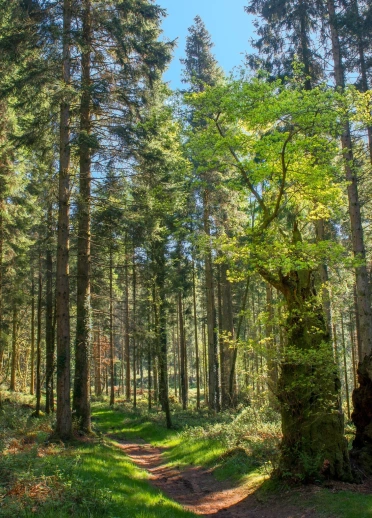
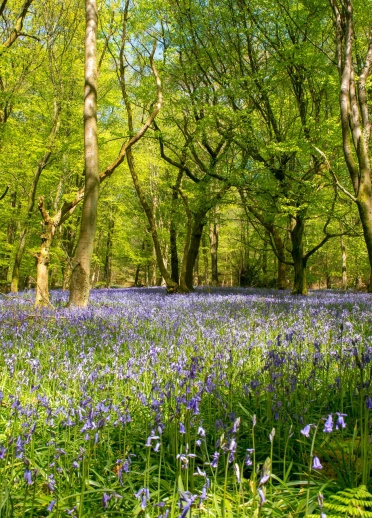
I started my journey in Wentwood Forest, South Wales, some of the oldest woodland in all of Wales. This part of South Wales once was the stronghold of the Silurian Celts who lived amongst and cultivated parts of the forest until the arrival of the Romans. The Druids held special, almost shamanic, power among the Celts. They had a special connection to the trees – oaks in particular – and when you walk through the oldest parts of this forest it’s easy to understand the power the natural world held over our ancestors.
The Spirit of Llynfi Woodland, near Maesteg, South Wales
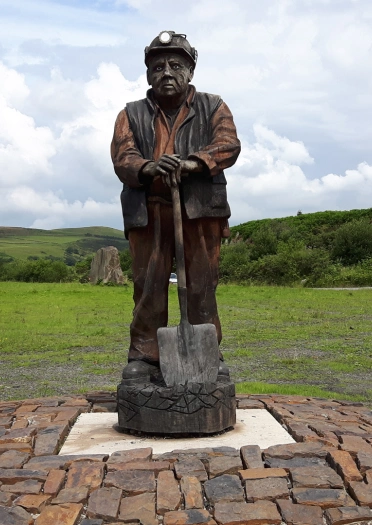
The Spirit of Llynfi Woodland sits on the site of the old Coegnant Colliery and Maesteg Washery. It was established in 2015 as part of a 10-year local regeneration project to reintroduce local people to nature on their doorstep and so promote biodiversity. The woodland covers some 75 hectares of old industrial land and more than 60,000 trees have already been planted by local people including a mixture of broadleaves, fruit and ornamental trees. Today, there is a network of walking and cycle paths that make it an easy and accessible young woodland for locals and visitors alike to explore.
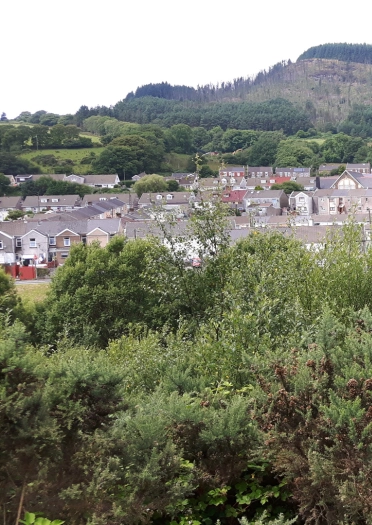
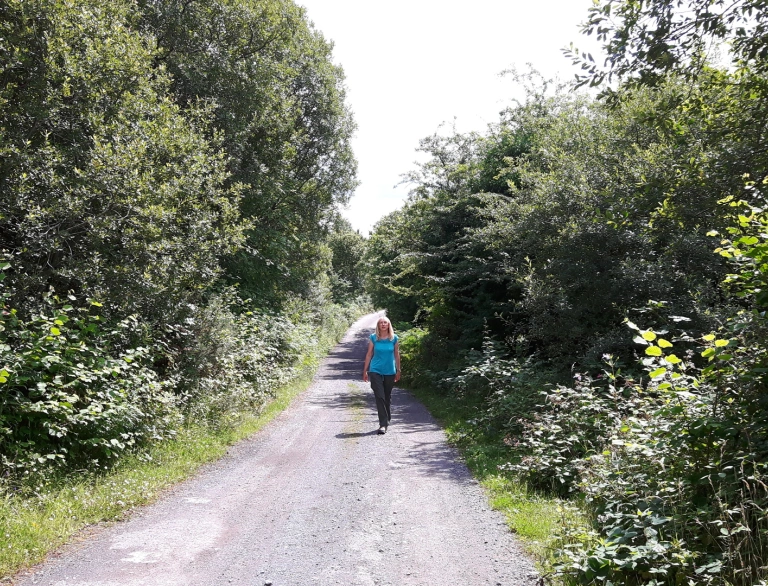
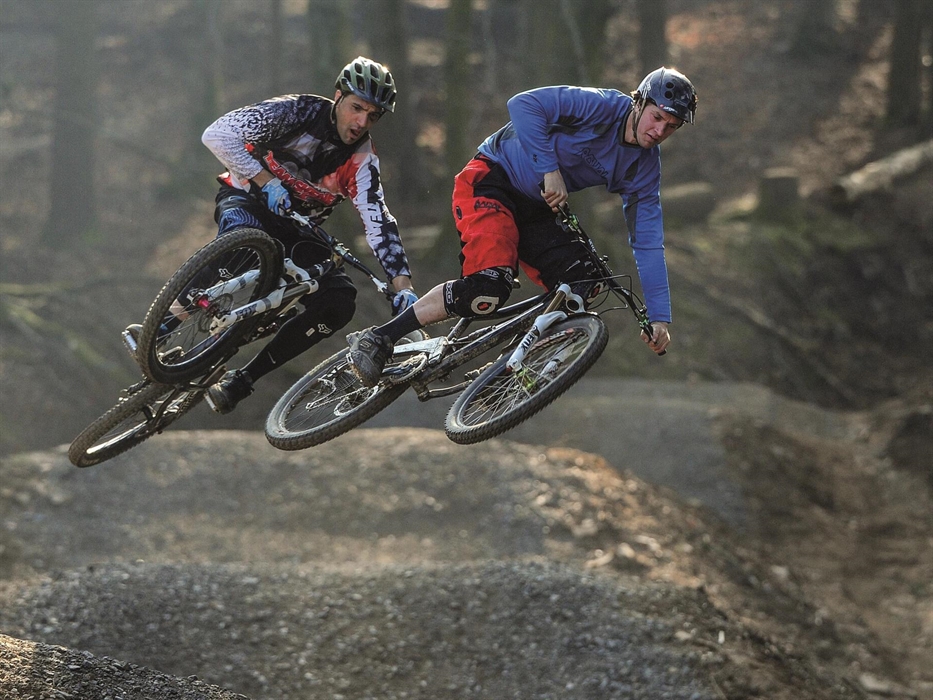
At 48 square miles, Afan Forest Park is one of Wales’ largest forests. Over the past decade, it has been reimagined and reshaped to become one of the UK’s finest biking and trail walking destinations - Mountain Bike Magazine called it one of the top 10 places in the world to 'ride before you die'. Bikers travel from all over the country to tackle technical trails with names like the Blade and the Wall while walkers enjoy miles of well-laid out paths (including St Illtud’s Walk, a Long Distance Walking path stretching from Pembrey County Park in Carmarthenshire to Margam Country Park near Port Talbot).
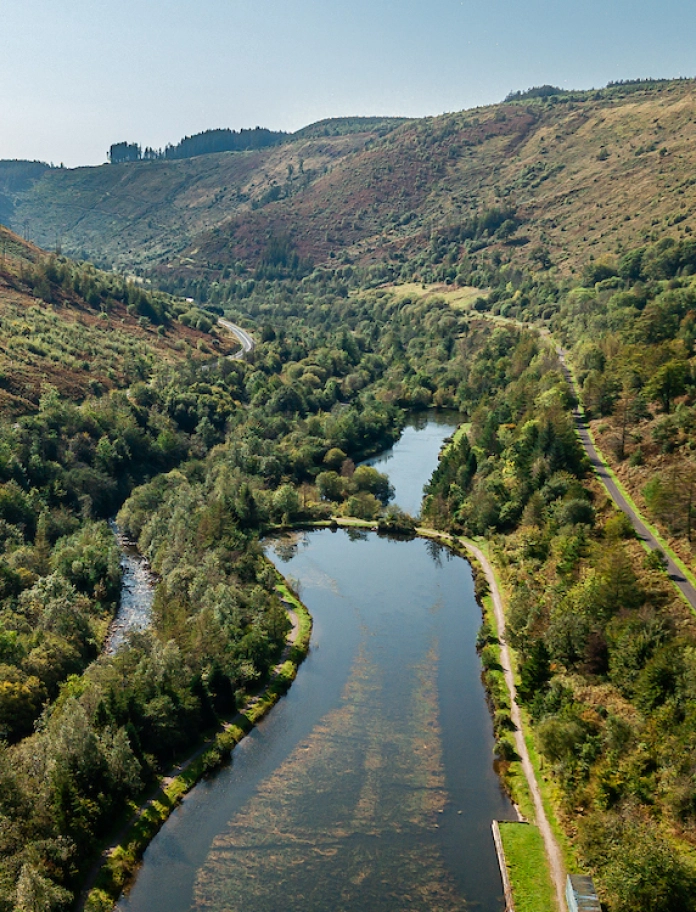
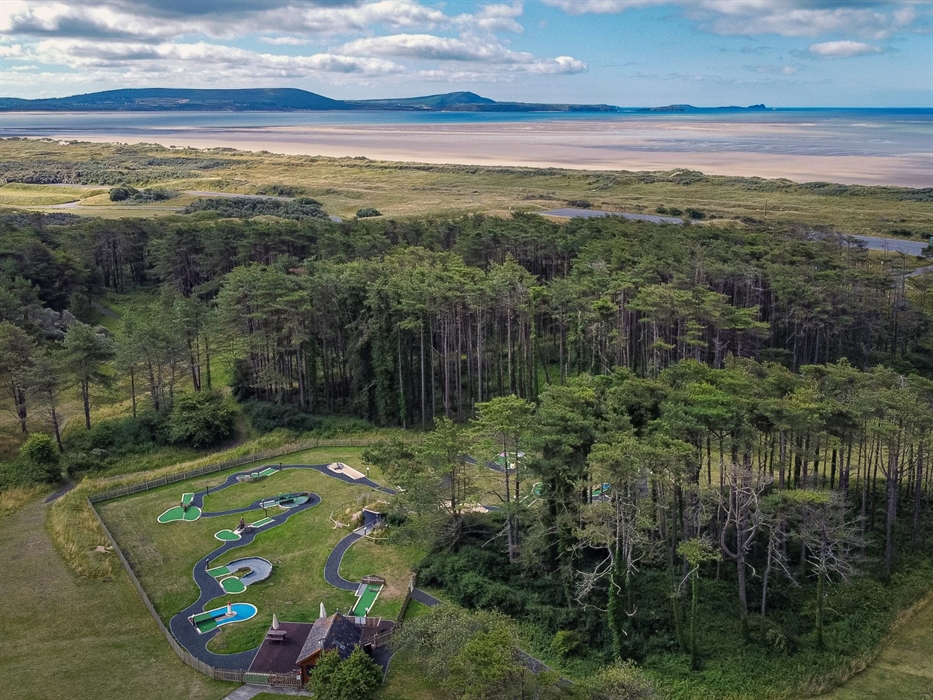
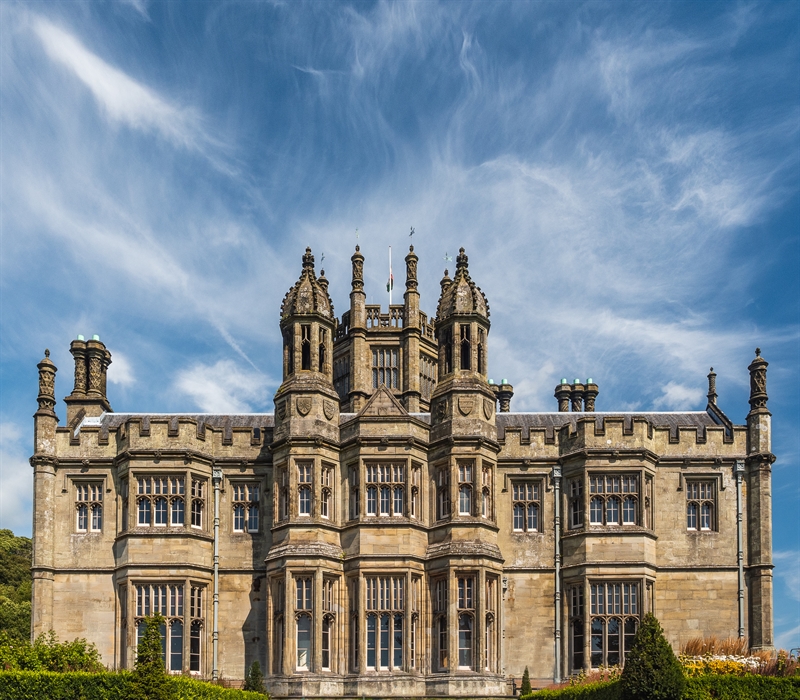
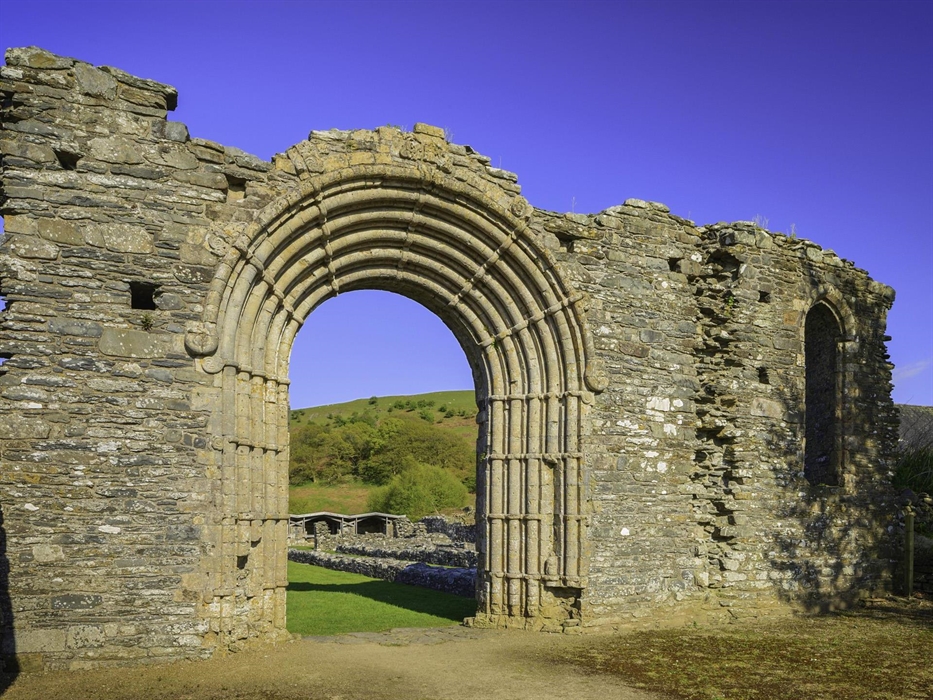
Blink and you’d miss Coed y Bont, the small community woodland situated on the outskirts of Pontrhydfendigaid in the heart of Ceredigion. But Bont is well worth a visit for two reasons. First, it allows you to connect with nature through two interconnected woodlands, one previously coniferous and the other an ancient tract of hazel and oaks, and in its marshier parts, birch and alder. Second, it sits next to Ystrad Fflur (Strata Florida), the ancient Cistercian Abbey where some of the original manuscripts that became the Mabinogion were written. It's also the resting place of many Welsh princes and the famed poet Dafydd ap Gwilym.
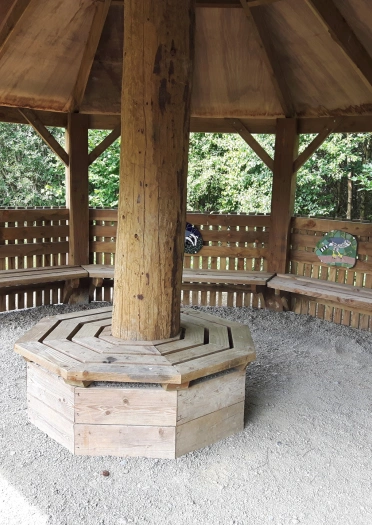
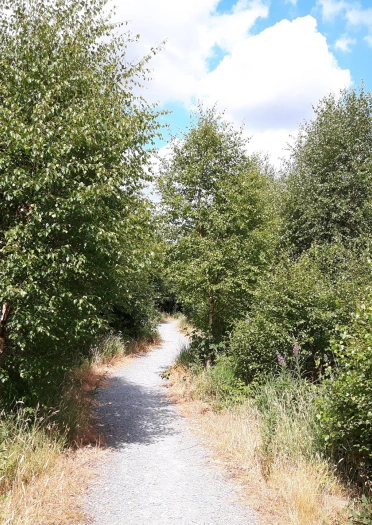
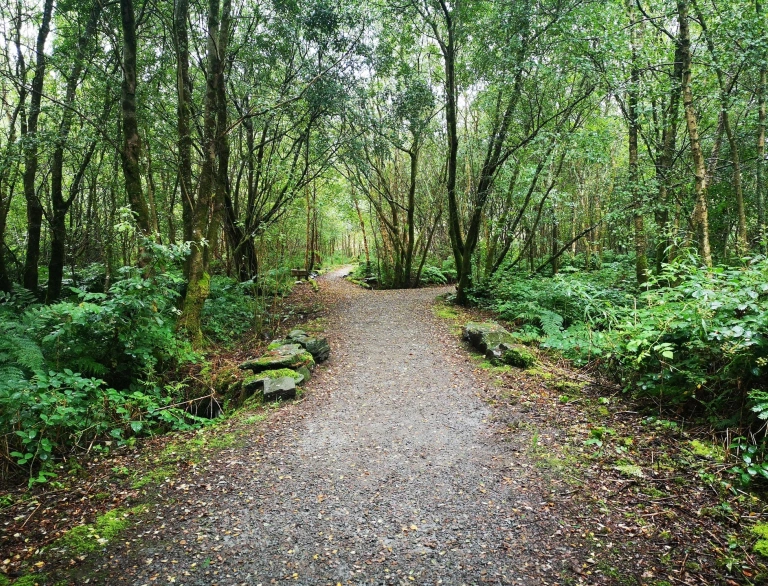
Bwlch Nant yr Arian, near Aberystwyth, Mid Wales
This forest park, just west of the village of Ponterwyd, is renowned for its red kite feeding centre which takes place daily at the (unstaffed) Bwlch Nant yr Arian Visitor Centre, and for its biking and walking trails. One of them, the Barcud Trail, features wooden sculptures celebrating local folklore and legends including the Knockers of Cwmsymlog – the name given to the faeries who were said to help miners locate seams of lead by making knocking noises.


Situated between Machynlleth and Dolgellau, Dyfi Forest sits in the shadow of the elegant but imposing Cader Idris mountain. This once was slate mining country and, just outside the village of Aberllefenni, you can wander back in time on the Foel Friog short trail that winds its way through the abandoned mines and the old winching gear that once would have hauled slate wagons up and down the mountain.

Gwydir Forest Park, Hafna, near Llanrwst, North Wales
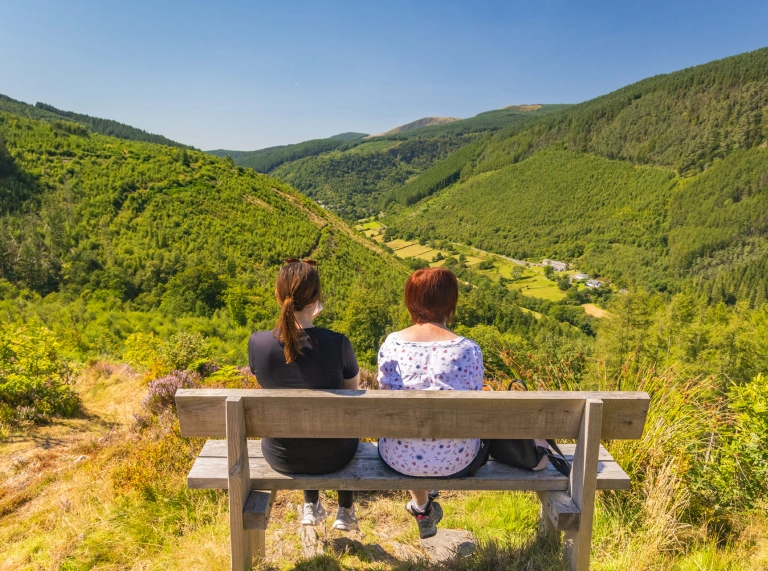
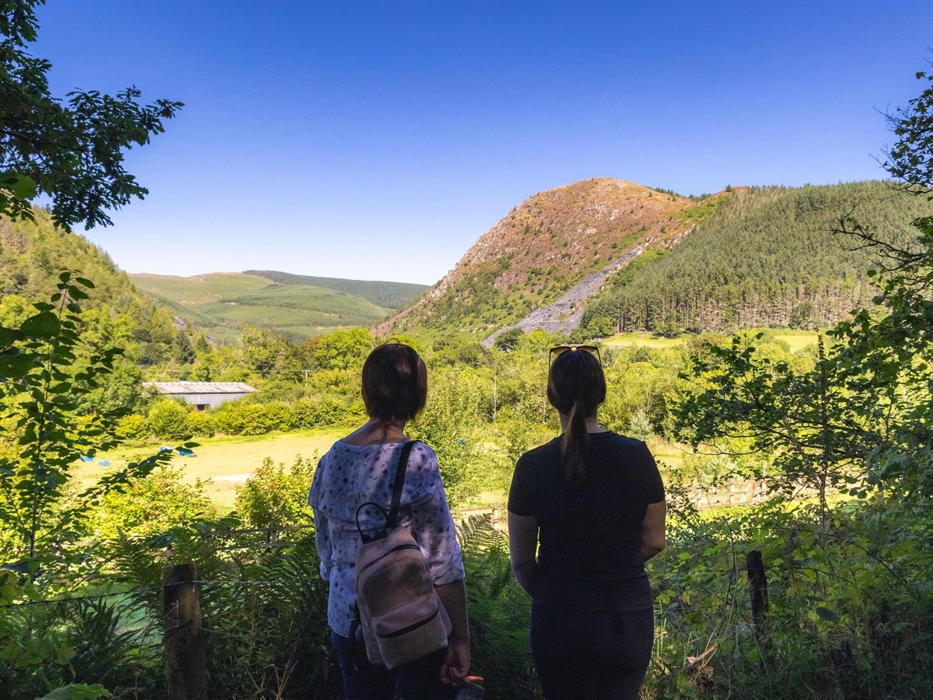
Back in the 18th century, the acclaimed early travel writer, Thomas Pennant, wrote that “the noblest oaks in all Wales” grew in Gwydir Forest. Many were felled in the early 20th century but this large, mostly conifer, woodland in the foothills of Eryri National Park still has many hidden charms – including parts of Llwybr Llechi Eryri (Snowdonia Slate Trail) and Tŷ Mawr Wybrnant, the farmhouse home of Bishop William Morgan, who was the first person to translate the whole Bible into Welsh.
Clocaenog Forest, Bod Petryal, near Ruthin, North Wales
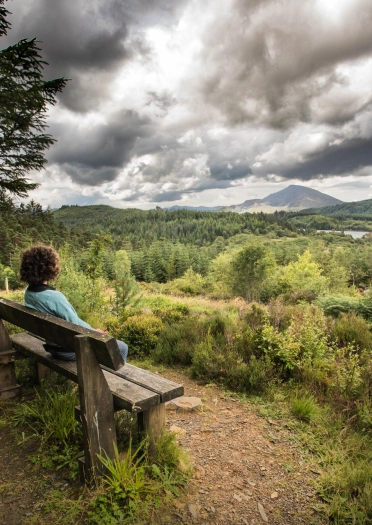
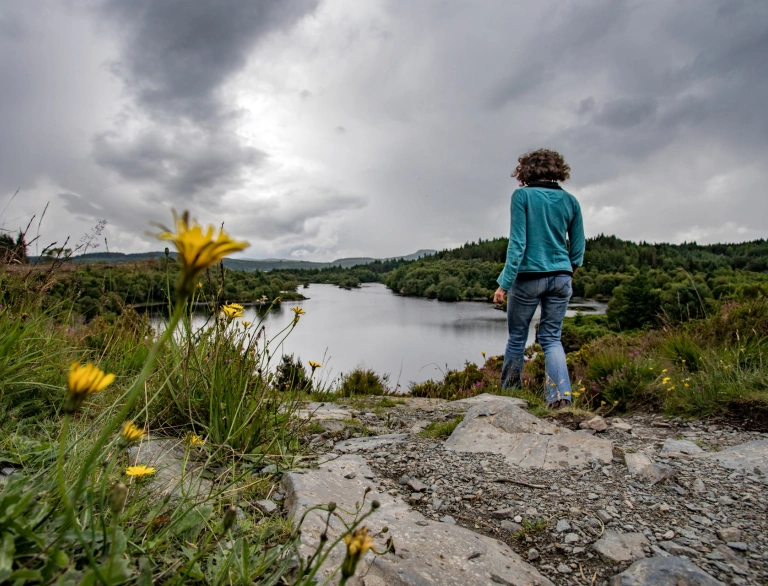
This huge area of woodland situated to the east of Betws-y-Coed and the west of Rhuthun (Ruthin) is estimated to be the size of 10,000 rugby pitches! Clocaenog Forest was planted by the Forestry Commission in the 1930s and, today, it is one of the few havens for Wales’ endangered Red Squirrel populations. The car park at Bod Petryal offers access to easy going lakeside walking trails while the Pincyn Llys monument, erected in the 1830s to celebrate an earlier woodland planting, offers impressive views across the Vale to Clwyd. Adventurous walkers can reach it by following the 42-mile long Hiraethog Trail. Less adventurous visitors can park nearby and walk the 10-minute route to the top of the hill!
Matthew Yeomans is author of Return to My Trees – Notes from the Welsh Woodlands, published by Calon Books.