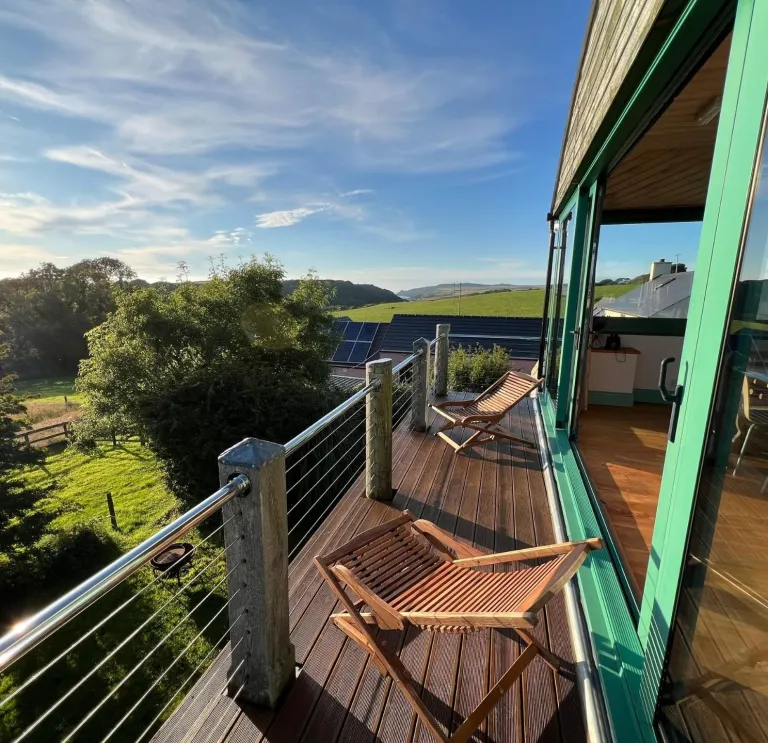
Explore Wales’ wildlife centres, green attractions and eco‑minded communities. If you want to extend your stay, eco‑camping offers a low‑impact way to unwind, with sites designed to protect habitats and keep your footprint light.
Sustainable tourism in Wales: Responsible experiences
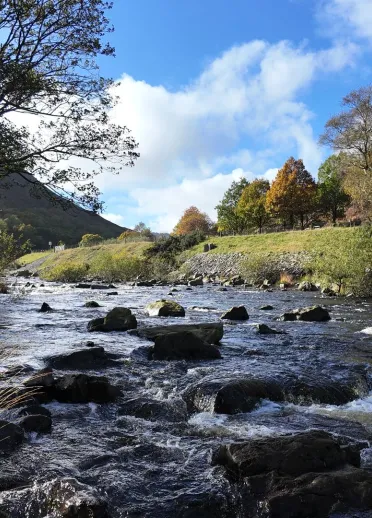
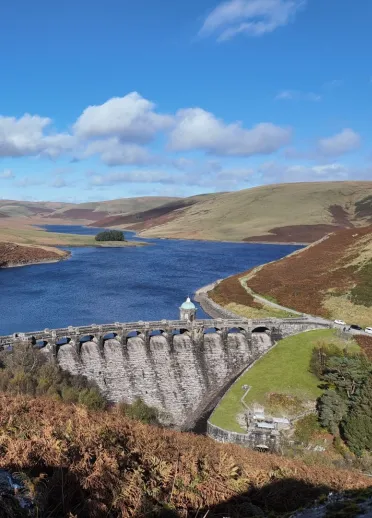
The Victorians built a vast chain of dams and reservoirs high in the Cambrian Mountains to supply water to Birmingham. The 70-square-mile (181sq km) estate is managed by Welsh Water, whose job is to keep the water sparkly clean – which they do by keeping the surrounding landscape as naturally pristine as possible. A century of careful stewardship has made the Elan Valley a wildlife paradise. It's part of an International Dark Sky Park and home to ongoing peatland restoration that helps support wildlife and store carbon. It’s also gorgeous to look at on a scenic drive/cycle around the reservoirs. Bikes can be hired from the visitor centre, which is open year-round.
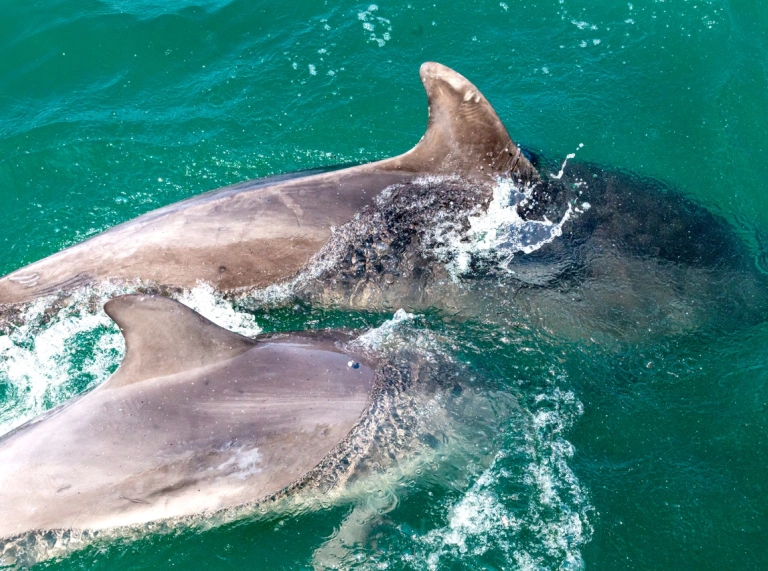
Cardigan Bay Marine Wildlife Centre, New Quay
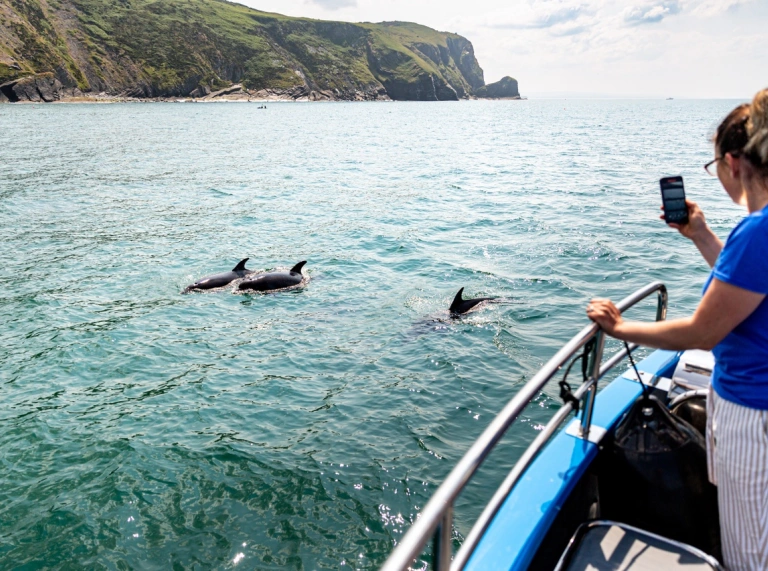
You’ve got a decent chance of spotting Britain’s biggest resident pod of dolphins almost anywhere along Ceredigion’s southern coast, and there are plenty of boat trips for hire. But to help support conservation work, head for the Wildlife Trust’s Cardigan Bay Marine Wildlife Centre in Cei Newydd (New Quay). They run survey trips out into the bay, complete with underwater microphone, so you can eavesdrop on dolphin gossip. These trips also contribute to ongoing marine research and monitoring that helps protect the bay’s fragile ecosystem. Back at base, there’s plenty of information about dolphins, porpoises, seals, whales, sharks, sunfish, turtles, and all the other residents of Bae Ceredigion (Cardigan Bay), with displays highlighting local conservation efforts and how visitors can help minimise their impact.
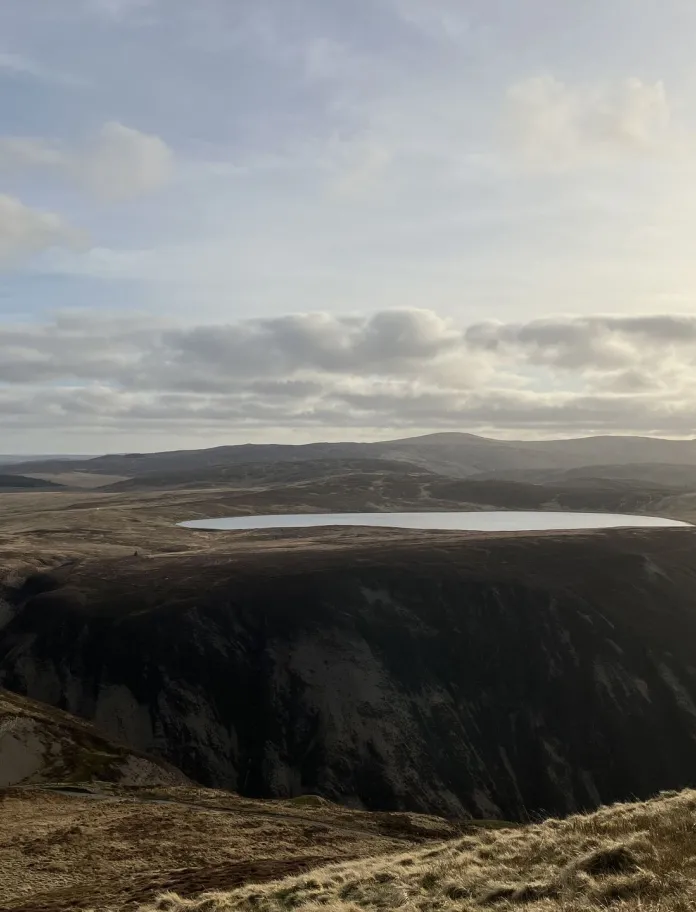
Glaslyn Nature Reserve, Powys
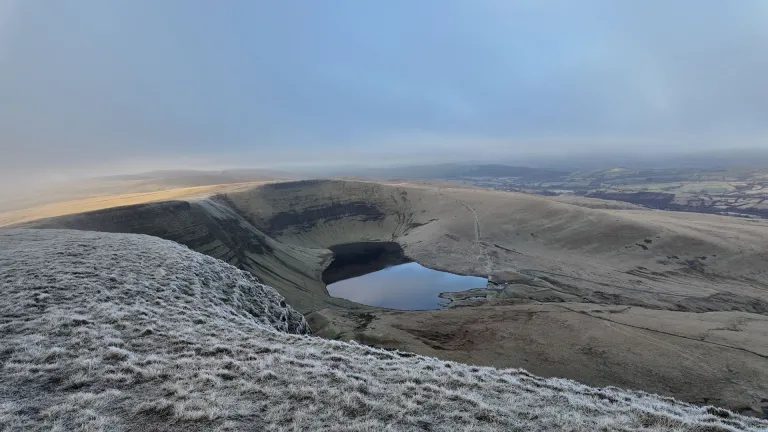
Glaslyn Nature Reserve is Montgomeryshire Wildlife Trust’s biggest nature reserve, and home to bird species such as the Golden Plover, Red Grouse, Skylark plus over 283 species of plant. The reserve is made up of heathland and moorland. It’s managed for low‑impact, wildlife‑friendly conservation, with ongoing restoration helping to protect peatland that stores carbon. It offers interest all year round, but particularly during the summer months. The cottongrass turns the reserve white, shortly followed by the purple blooms of the flowering heather. Ongoing habitat restoration helps maintain the open moorland landscape and supports rare upland species.
Preseli Venture
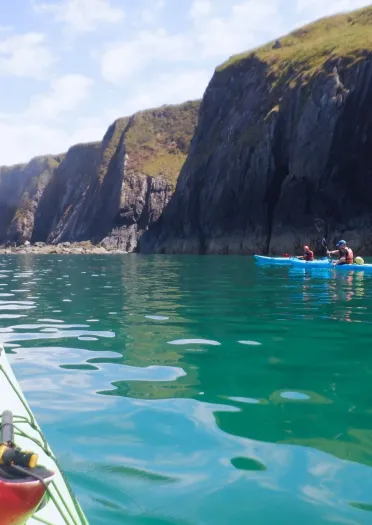
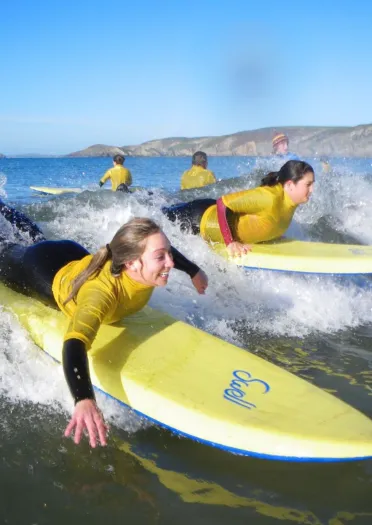
Since the 1980s, Preseli Venture, has developed a model of sustainable adventure tourism in the stunning Pembrokeshire Coast National Park. Within easy reach of public transport, take part in sustainable adventure day activities such as surfing, canoeing, yoga sessions and boat trips. Stay longer with range of multi-day activities including sea kayaking courses, car-free adventure holiday itineraries and wellness and fitness retreat itineraries.
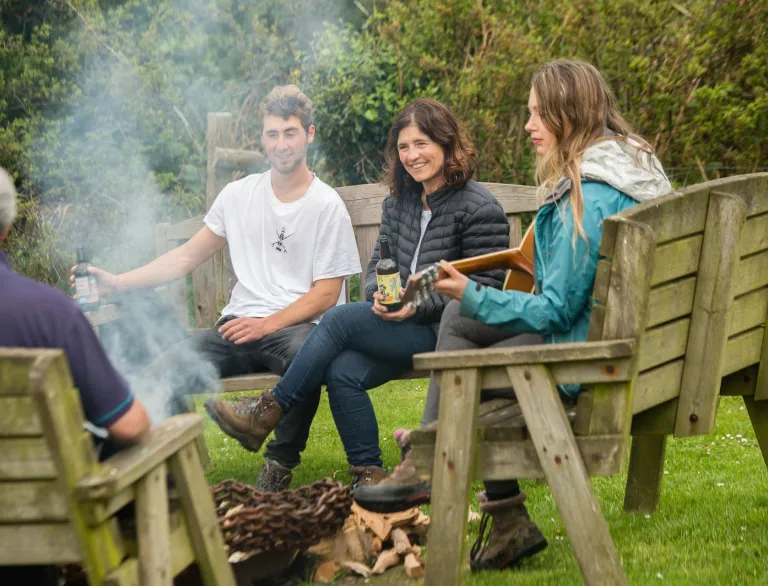
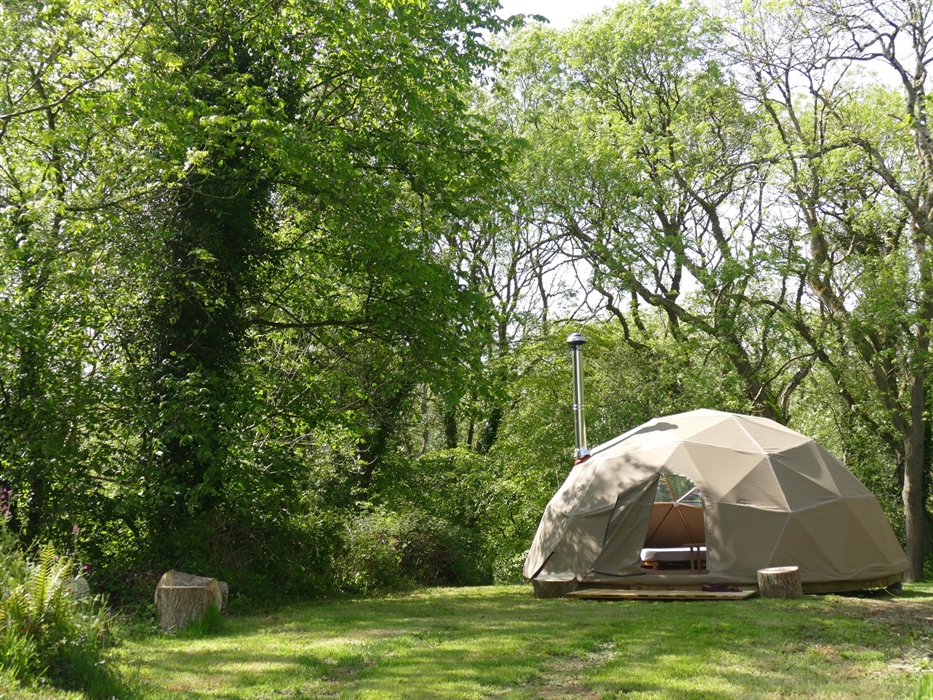
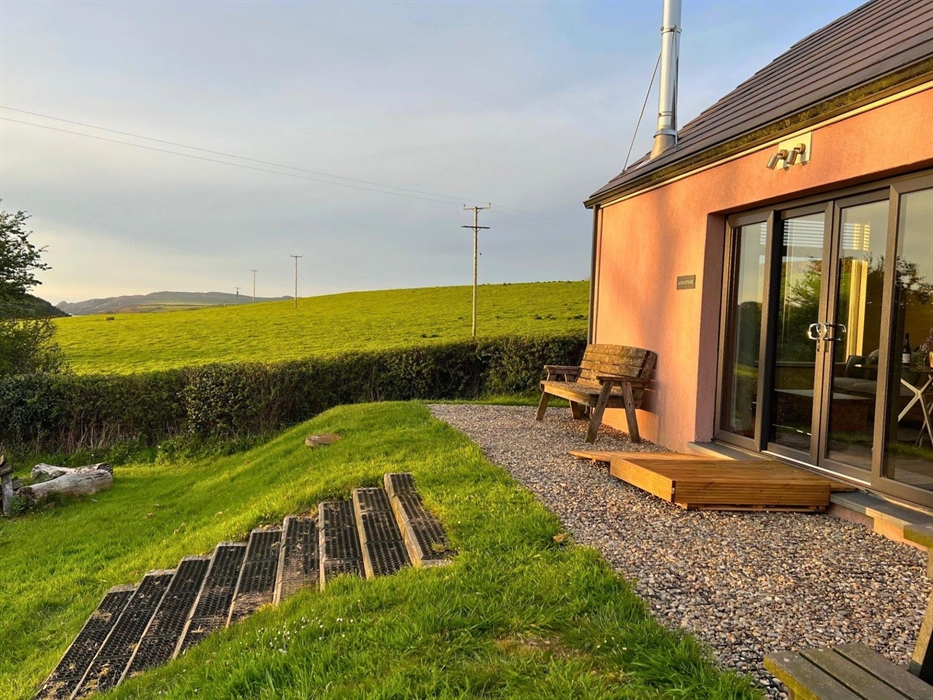
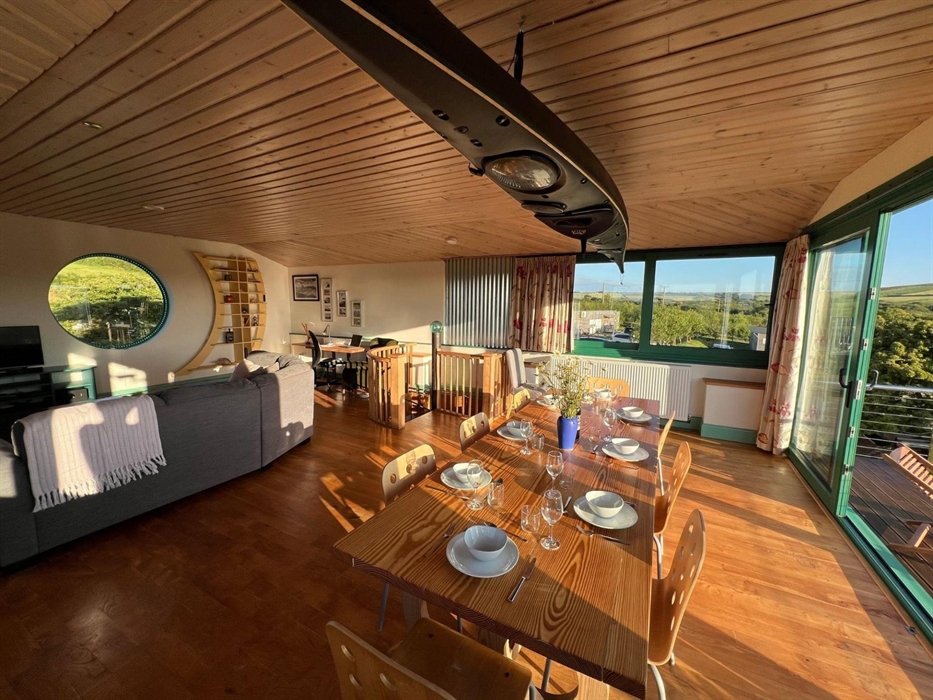
Accommodation is pet-friendly with the choice of the self‑catering Eco Barn, the eco‑conscious Penbwchdy Cottage, wheelchair-accessible Loom Cottage, or glamping in the Canvas dome.

UNESCO Dyfi Biosphere
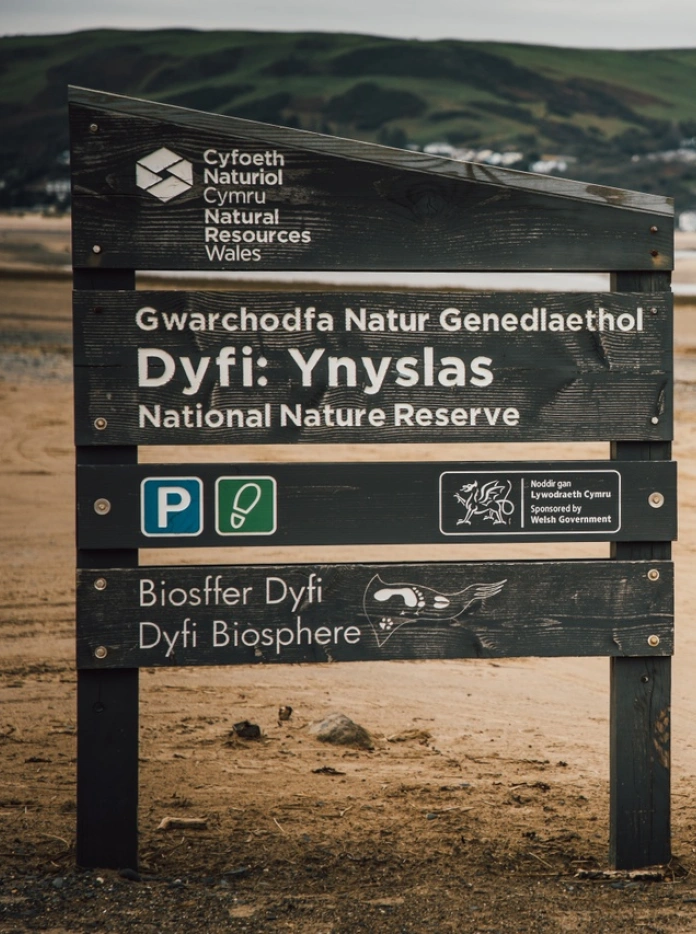
UNESCO Dyfi Biosphere has several important nature reserves, plus some of the finest landscapes in Europe coupled with a community that care about this special place. With ancient woodlands, lakes, coastal paths and mountains and lowland wet grassland and salt marshes, it is home to rare species. Enjoy the beautiful national trails in this special mid Wales environment.
Read more: Discovering wonderful wildlife in the UNESCO Dyfi Biosphere.
National Parks
Our three National Parks – Pembrokeshire, Bannau Brycheiniog, and Eryri – cover a fifth of Wales’ land surface. They were established with three main goals: to conserve and enhance the natural beauty, wildlife and cultural heritage; to help visitors understand and enjoy the parks’ special qualities; and to look after the communities who live there.
The parks protect some of Wales’ best dark‑sky environments, making night‑time visits just as rewarding as daytime exploring. Each park leads ongoing conservation projects that protect habitats, restore landscapes and support local biodiversity.
Lisvane and Llanishen Reservoirs, Cardiff
Lisvane & Llanishen Reservoirs (Green Flag Award winner) in north Caerdydd (Cardiff), South Wales, is a hub for health, wellbeing, water activities and biodiversity. It's one of four protected green areas in Caerdydd and home to wildlife including bats, otters, snakes and toads and has two Sites of Special Scientific Interest (SSSI) for waxcap fungi and overwintering birds.
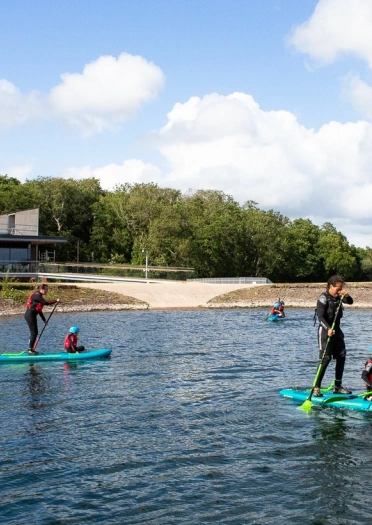
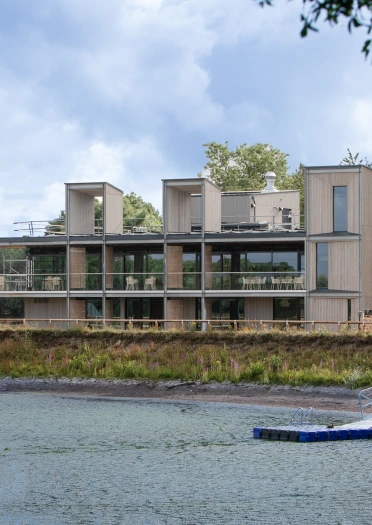
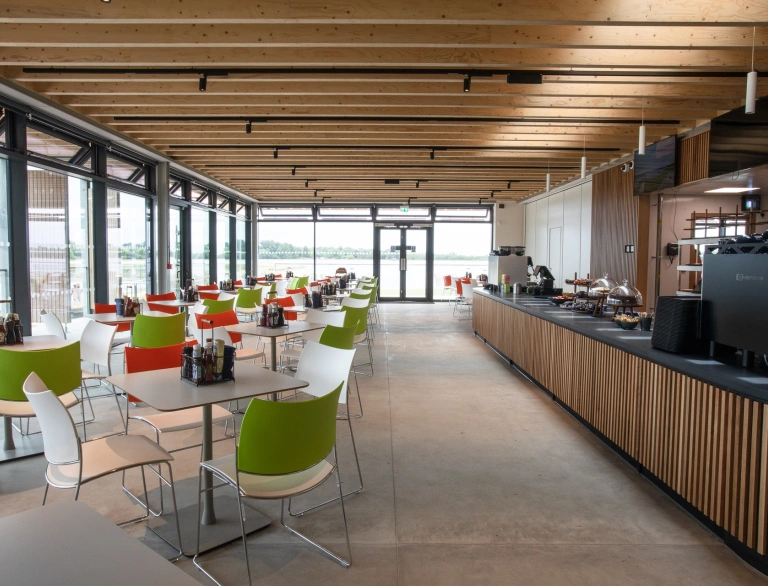
Enjoy circular paths around the reservoirs, with conservation areas, accessible bird hides, an outdoor education area and a nature trail. The site follows sustainable practices, with habitat‑management work supporting local wildlife and ongoing conservation projects that enhance the reservoirs' landscape.
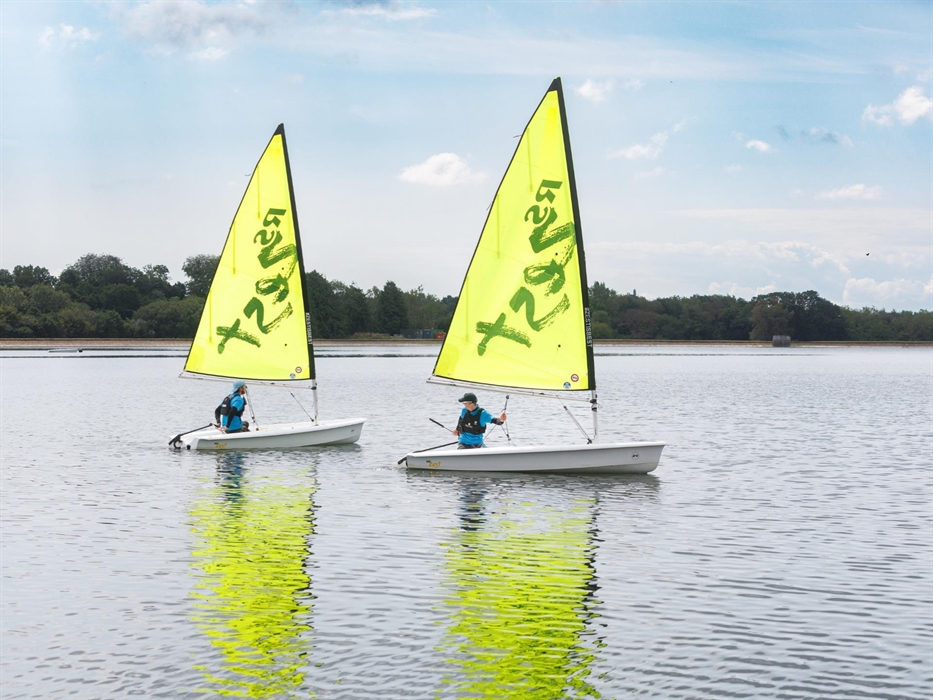
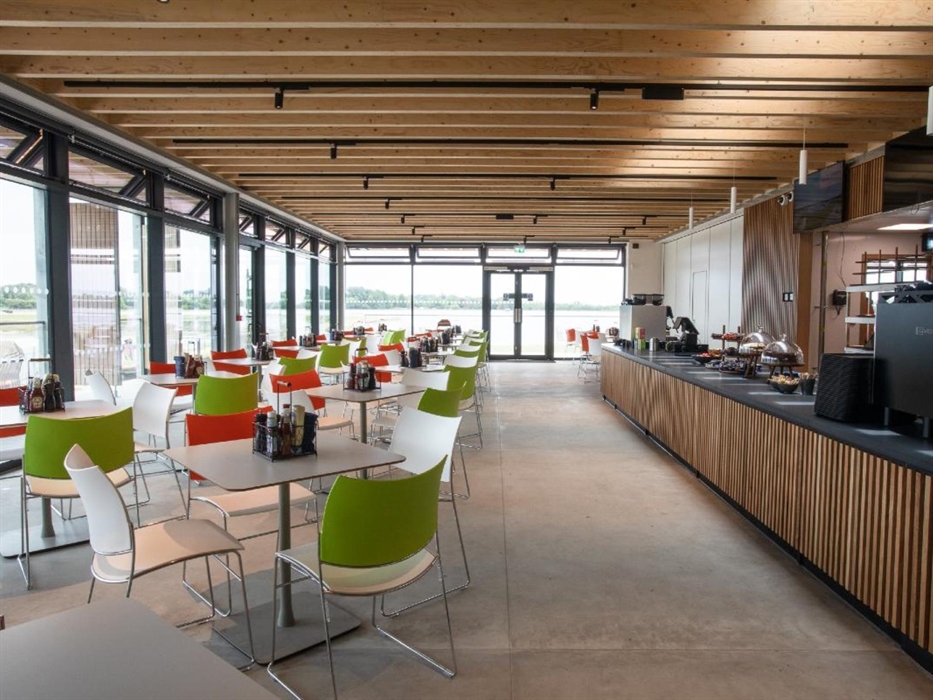
The visitor centre offers a range of water based activities including sailing, canoeing, and kayaking and stand-up paddleboarding (SUP). The first floor café, with exterior balcony, provides spectacular views across the reservoirs where you can enjoy a drink or a relaxing lunch.
GreenWood Forest Park, Eryri
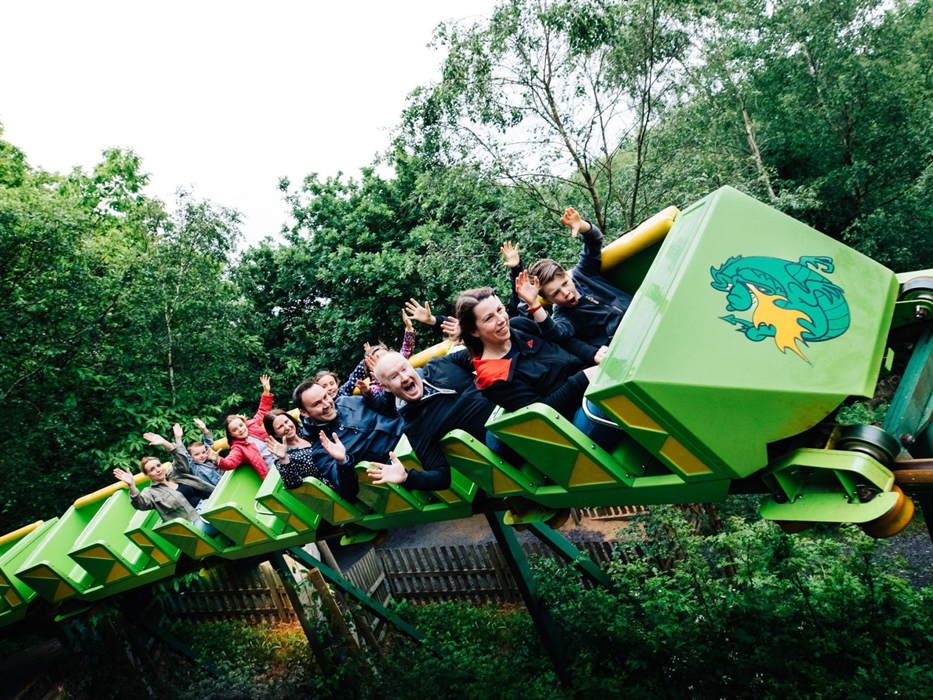
One of the best family attractions in North Wales, GreenWood Forest Park prides itself on being eco-friendly: it has the world’s only people-powered roller coaster, and the UK’s first solar-powered ride, the Solar Splash. The park's combination of people‑power and solar energy, significantly reduces its carbon footprint and showcases how renewable energy can power major attractions. The park features active adventure play, mazes, archery, jungle boats, live shows and crafts, furry and feathered residents – and an indoor Enchanted WoodBarn as a rainy‑day back‑up, all supported by the park’s ongoing commitment to sustainable operations and low‑impact visitor experiences.
Anglesey Sea Zoo
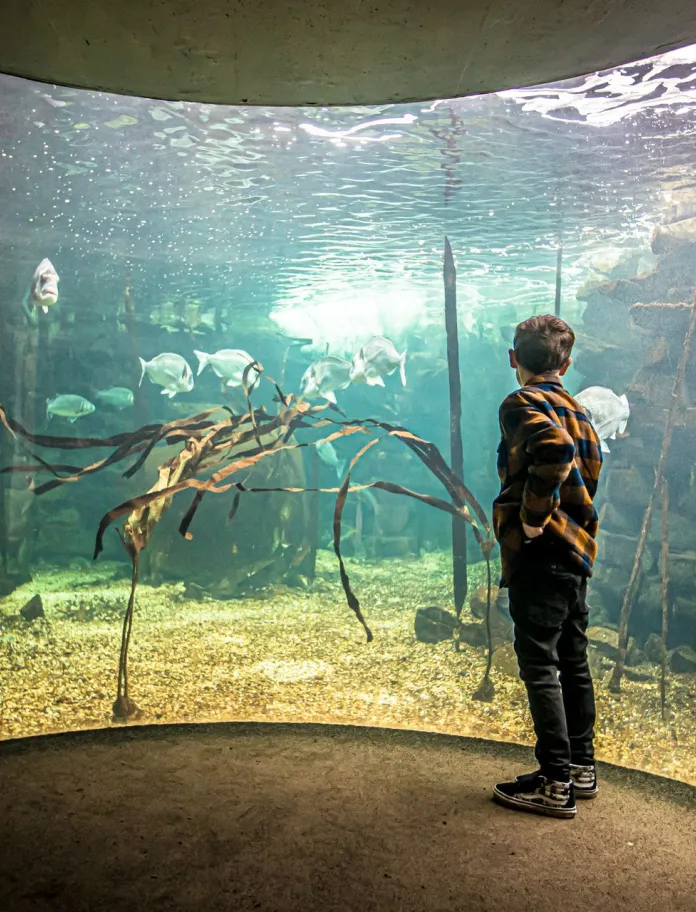
Anglesey Sea Zoo has over 100 different species of fascinating fish and sea life that live around the coast of Britain on display. The zoo prioritises sustainability and conservation, with exhibits highlighting local marine habitats and species conservation efforts. It was the first aquarium in the UK to be powered by solar energy and 95% of waste on site recycled or composted. The zoo developed and is running captive breeding, release, conservation and education programmes. It pumps water directly from the Menai Strait into the tanks, to create a natural environment in the aquarium which also reduces chemical use and lowers energy demand. The zoo is also involved in tree planting and organising regular beach clean-ups along the Menai Strait to help reduce pollution and protect local habitats.
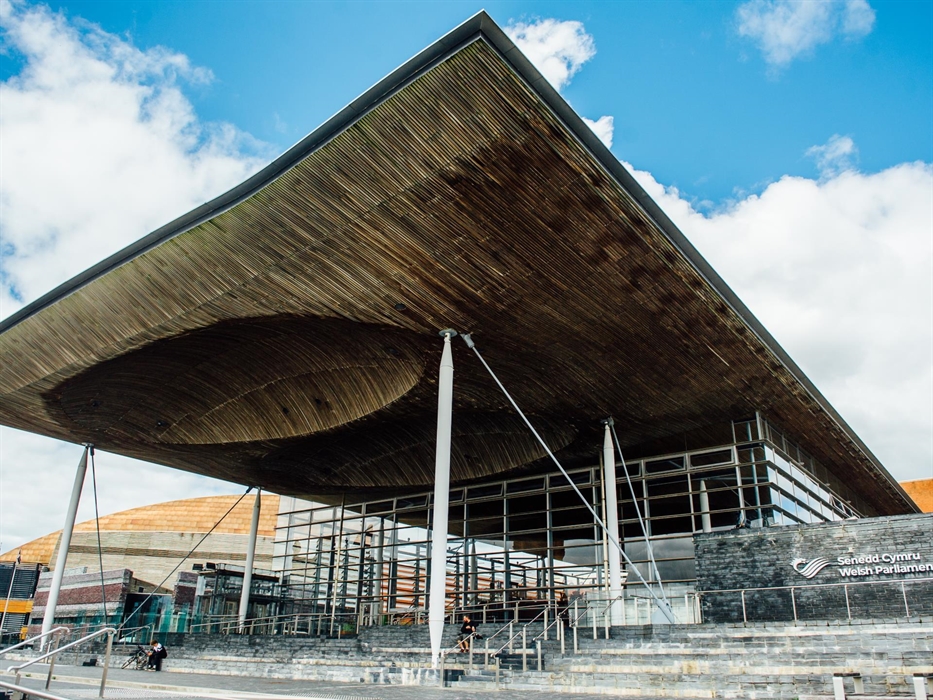
Senedd, Cardiff Bay
The Richard Rogers‑designed Senedd building in Bae Caerdydd (Cardiff Bay) embraces sustainability. The building uses natural ventilation through the rooftop cowl, a biomass boiler and geothermal pipes for heating, and rainwater collected on the roof for the toilets and traditional Welsh materials like slate and oak are used throughout. These features make the Senedd highly energy‑efficient and have earned it several environmental design awards.
Designed to reflect Wales' open democracy, anyone can walk in to the building and watch our politicians at work, thanks to a raised gallery above the debating chamber. Visitors can explore the building through free guided tours and talks, which explain how the Senedd works and reveal its architecture, history and sustainable design. Alternatively, choose a self‑guided audio tour using an information leaflet to explore at your own pace, with exhibitions and public spaces open to everyone.
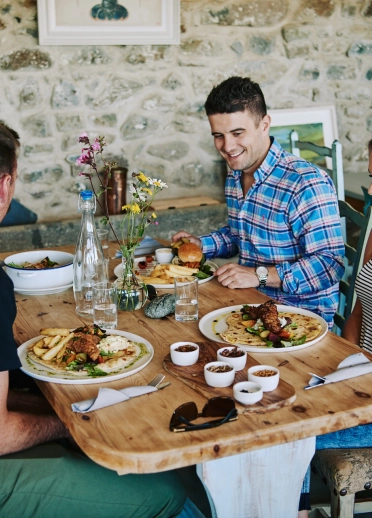
The Bug Farm, Pembrokeshire
Dr Beynon's Bug Farm is a visitor and research centre in Pembrokeshire Coast National Park. Wildlife conservation, sustainable food and farming and invertebrates (or 'bugs') are at the heart of this 100-acre wildlife reserve and working farm. The farm also focuses on low‑impact, sustainable approaches to growing and producing food. Grub Kitchen is the UK's first edible insect restaurant. Try edible insect dishes including VEXo Bolognese, Grub’s signature gourmet bug burger and treat yourself to Cricket Cookies.

Eco communities in Wales
The pioneering self-sufficiency guru John Seymour moved to West Wales in the 1960s, one of many eco-idealists who came to create alternative communities here. The same ethos lives on at the Lammas Ecovillage - a collective of nine ‘Hobbit’ houses, clustered around a central community hub. They aim to use environmental design, green technology and permaculture to show that it’s perfectly possible to live lightly in a landscape in which people are part of the wider ecosystem. They run guided tours every Saturday from May to September to inspire others to follow in their (low-carbon) footsteps.
Ffarm Moelyci, Bangor
The 320 acres (130ha) of Ffarm Moelyci seemed destined to become a holiday-home development until the local community clubbed together to buy it in the early 2000s. It’s now run as an environmentally-friendly farm, with 60 allotments for locals, while the Blas Lôn Las shop/café champions local food and drink.
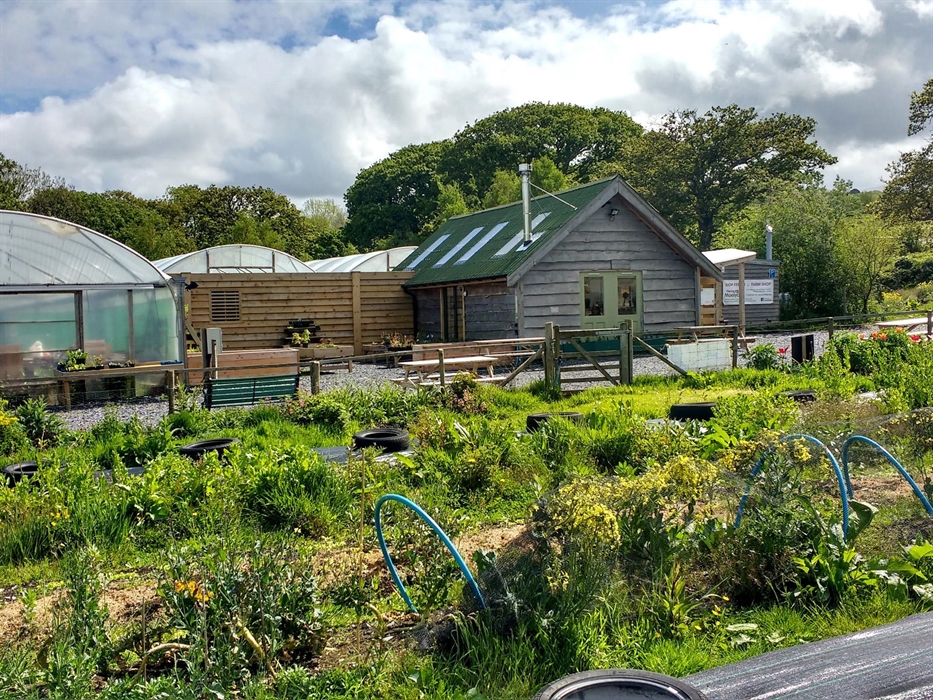
Denmark Farm Conservation Centre, Ceredigion
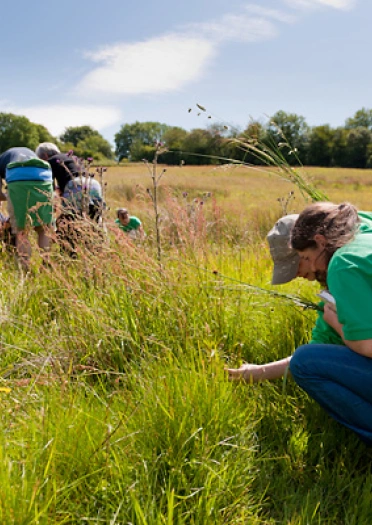
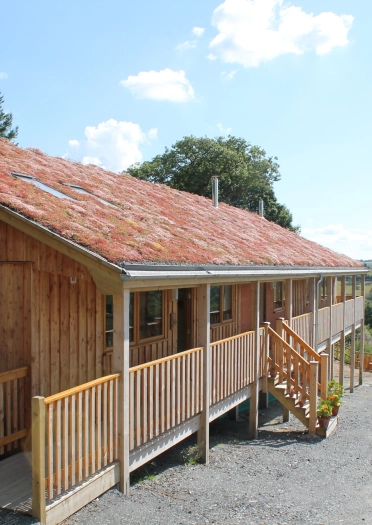
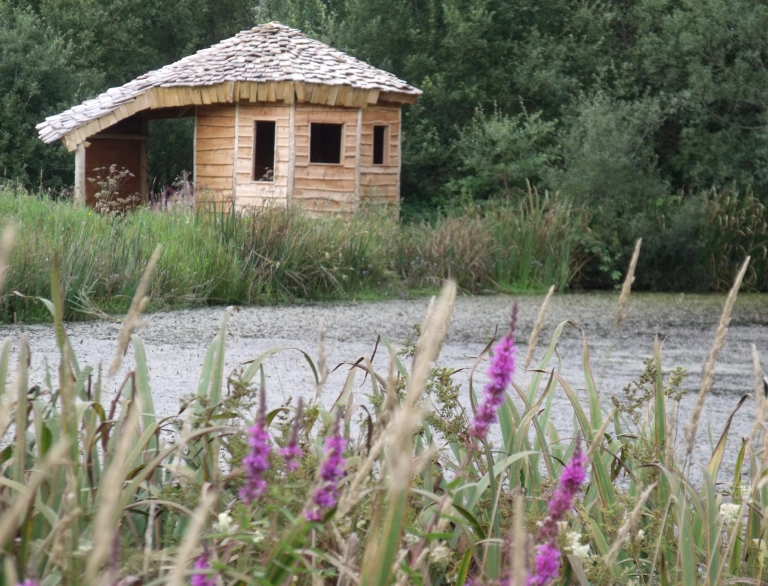
When the Shared Earth Trust took over Denmark Farm in 1987 they set about reversing the damage done by intensive farming by restoring the biodiversity of its grassland, wetland, woodland and scrub habitat. They’ve succeeded admirably: the number of bird species has tripled, for example – and they want to show everyone how it’s done. Much of the site is now managed through low‑intervention, nature‑led practices, and visitors can follow self‑guided trails through meadows, ponds and woodland to see restored habitats up close. Their success has been rewarded with a Green Flag Community Award.
The Trust also runs practical conservation courses, wildlife‑survey training, family events and residential visits. The name, by the way, is original: the farm was founded in the early 1800s by a Welshman who had made his fortune (or at least, enough to buy a farm) working in London’s Denmark Hill.
Eco Camping in Wales: Low-impact outdoor stays
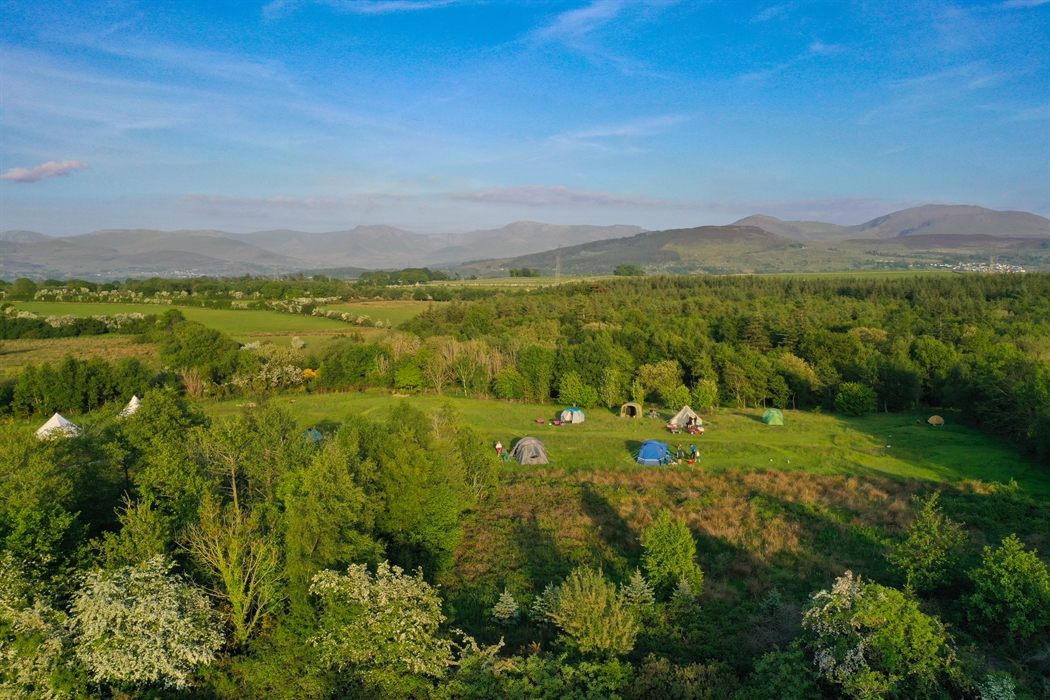
Eco camping is a simple way to enjoy Wales while keeping your footprint light. Many sites use renewable energy, recycled materials and wildlife‑friendly layouts to protect the natural environment.
Set within a wildlife‑rich meadow, Cae Lal, Bangor, North Wales, is a low‑impact campsite with pitches mown into a meadow and surrounded by tall grass and wildflowers. Facilities include compost toilets and solar‑lit paths provide help minimise the impact on the landscape.
Easily accessible from Caerdydd, Garth Glamping in South Wales, incorporates eco‑friendly practices including solar power, recycling facilities and wildlife‑friendly land management. Bell tents use solar and rechargeable lighting, while shared facilities are designed to minimise environmental impact.
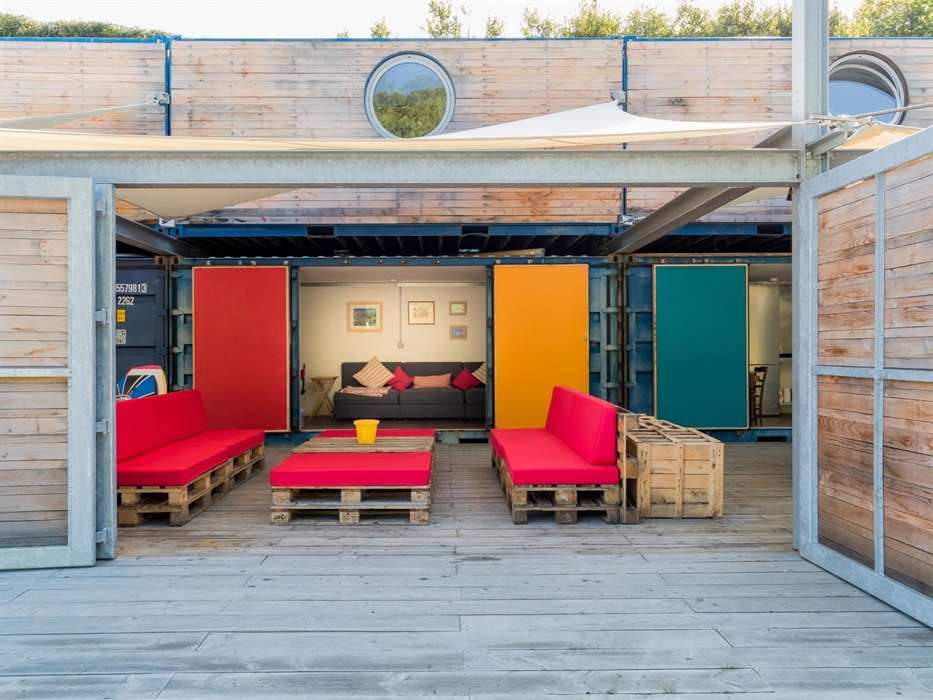
Built from repurposed shipping containers and clad in larch, Tŷ Cwch in Ceredigion, Mid Wales, is a Green Tourism Award-winning eco‑conscious glamping site. Heated sleeping pods share communal facilities, reducing resource use, while the coastal location encourages low‑impact activities such as walking on the nearby Wales Coast Path.
Find more eco‑conscious places to stay across Wales or browse eco camping options in our search results.

Practical tips for eco‑friendly travel in Wales
Traveline Cymru is a useful public transport journey planner.
There are a number of apps and online maps where you can to find the location of electric vehicle charging points across Wales. Several National Trust properties across Wales have EV charging points.
Help Wales become the first Refill Nation by using nearby Refill Points to fill up your water bottle before you head off. Find out more, including how to download the free Refill app and find your nearest Refill Point on the Refill Return website.