Whether you’re an experienced wild swimmer or looking to dip your toes for the first time, here are our suggestions for fabulous locations for a wild swim in Cymru.
If you like to warm up after your dip, take a look at these beach and lake-side sauna locations.
Remember, swimming in open water is a whole different experience from swimming in a pool, which makes it both liberating and challenging. Before you set off, make sure you are prepared for the rigours of the natural environment, such as cold water, unseen currents, and waves. It’s a good idea to join a local club or learn from experts before taking the plunge - we recommend wild swimming with a guide or under supervision with a club.
Read more top tips on how to swim safely and how to stay safe on the Welsh coast.
Llyn Padarn, Eryri (Snowdonia)
- Lifeguarded or supervised: Not generally lifeguarded.
- Facilities: Nearby toilets, cafés and visitor facilities in Llanberis / Padarn Country Park.
- Water depth and conditions: Deep freshwater lake; cold, with some steep drop-offs.
- Best time to swim: Calm, settled weather.
- Popularity: Popular, especially in summer.
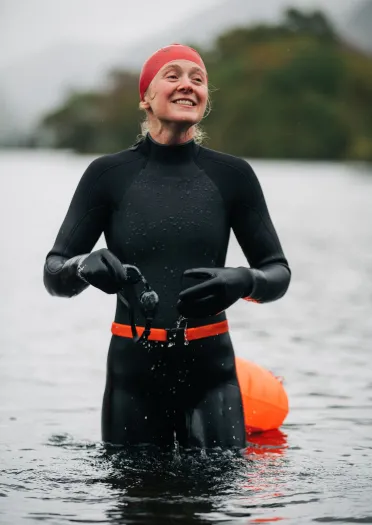
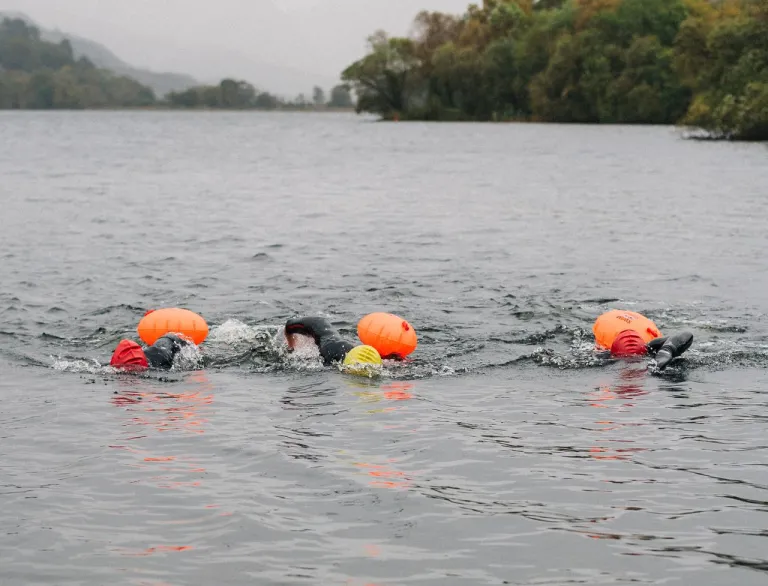
A swim in the glacial Llyn Padarn lake provides a view of Yr Wyddfa (Snowdon) like no other.
This lake is designated as a Site of Special Scientific Interest for its geology along with the pretty white flower - floating water plantain and the Arctic Charr, a rare fish that became isolated in the lake after the last Ice Age ended.
Llyn Padarn is officially named as a bathing water, making it the only inland freshwater lake in Wales to hold this status. The lake is monitored by Natural Resources Wales, and its water quality is tested throughout the summer. It consistently achieves an ‘excellent’ water quality classification.
If you are new to wild swimming or want some top tips, sign up for an assisted swim session with Snowdonia Watersports which is located nearby.

Porthdinllaen, Pen Llŷn (Llŷn Peninsula)
- Lifeguarded or supervised: Not generally lifeguarded.
- Facilities: Beach pub nearby; limited facilities.
- Water depth and conditions: Sheltered bay; depth varies with the tide.
- Best time to swim: Calm conditions, ideally around lower tide.
- Popularity: Popular in peak season.
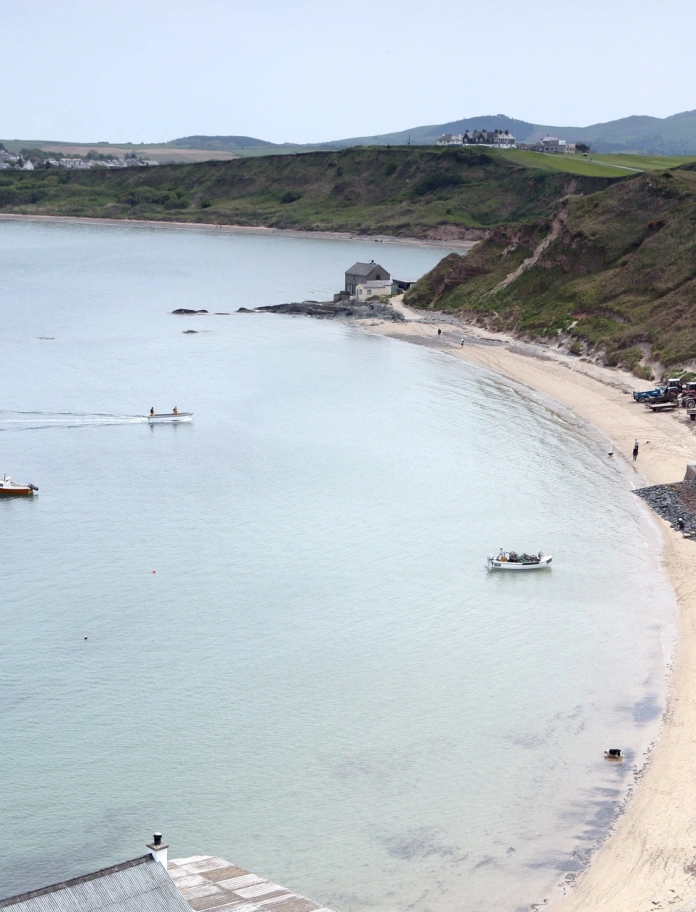
Porthdinllaen is a perfect sandy cove owned by the National Trust. A picture-perfect spot to take a dip, look out for seals basking on the rocks and listen for the mesmeric calls of the oystercatchers and other coastal birds.
This beach isn’t lifeguarded so make sure you stay within your limits. Afterwards, recharge your batteries at Tŷ Coch Inn the famous waterfront inn with views across the Irish Sea towards Yr Eifl.
Porthor, Pen Llŷn
- Lifeguarded or supervised: Not lifeguarded.
- Facilities: Seasonal café and toilets near the car park.
- Water depth and conditions: Open sea; waves and currents can be strong.
- Best time to swim: Calm, settled conditions only.
- Popularity: Remote but popular in summer.
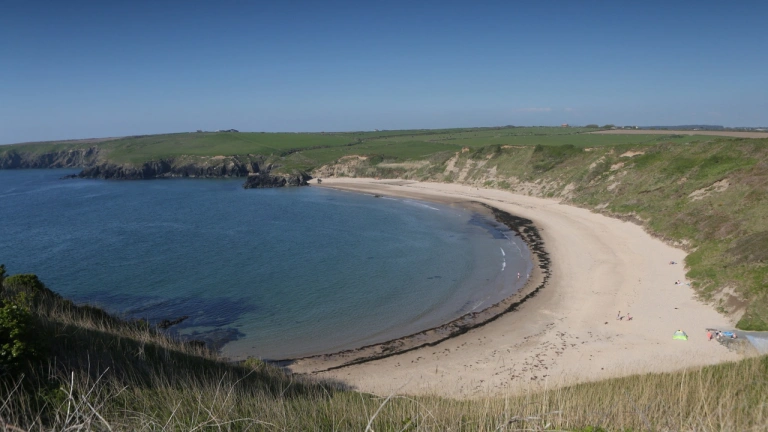
Porthor is known as Whistling Sands because the grains squeak underfoot, piping shrill notes when the wind blows in from the west. This magical spot is one of a string of pearly coves formed as the peninsula’s north-western coastal mountain gives way to moorland. It’s quite remote and not lifeguarded so take care.
There is a small National Trust café on the beach, perfect for a snack to keep your energy levels up.
Harlech Beach
- Lifeguarded or supervised: Not generally lifeguarded.
- Facilities: Toilets near the beach / car park; limited beachside facilities.
- Water depth and conditions: Wide sandy beach; conditions vary with tide and currents.
- Best time to swim: Calm conditions, ideally at lower tide.
- Popularity: Spacious, so it often feels quieter.
Harlech Beach in North Wales combines cold-water swimming with a warm sense of community.
This stunning stretch of sand is home to the Bluetits Chill Swimmers. Olympic swimmer, Jazz Carlin, has taken the plunge with the Bluetits here at Harlech, which really highlights how the experience is as much about the community as it is about the water.
Joining a group for a cold-water swim gives you extra confidence and safety, as well as the chance to share the invigorating benefits of wild swimming with others. The Bluetits welcome visitors to join them in their social swim community, which swims in the sea all year round. Find out more about the Bluetits and their friendly, informal meetups on the Bluetits Chill Swimmers website.

Caswell Bay, Abertawe (Swansea)
- Lifeguarded or supervised: Seasonally lifeguarded.
- Facilities: Café, toilets and beach facilities.
- Water depth and conditions: Sandy beach; tide-dependent, with possible rip currents.
- Best time to swim: When lifeguards are on duty.
- Popularity: Very popular, especially in summer.
Just a short drive from Mumbles, Caswell Bay beach is a broad sandy beach on the Gower Peninsula, set between wooded cliffs and rocky headlands.
Popular with locals, visitors, surfers, and paddleboarders, it offers plenty of space at lower tides, though the sand is more limited when the tide is high. The beach is lifeguarded during the main season, and rip currents can occur, so always swim between the red and yellow flags when they are flying.
Borth beach, Ceredigion
- Lifeguarded or supervised: Seasonally lifeguarded.
- Facilities: Toilets, cafés, shops and nearby parking.
- Water depth and conditions: Shallow waters; tide-dependent.
- Best time to swim: During lifeguarded summer periods or calm lower tides.
- Popularity: Popular with families and visitors.
Borth Beach, stretches for almost three miles along the Ceredigion coast, from the cliffs of Craig yr Wylfa to the dunes of Ynyslas. Its gently shelving sands and shallow waters make it a popular choice for families, swimmers, and watersports enthusiasts, while its Blue Flag and Seaside Award status reflect the quality of the beach.
The southern end is sheltered by Craig yr Wylfa from the prevailing south-westerly winds, offering a more protected spot to enter the water. Lifeguards patrol the beach during the summer season, so always swim between the red and yellow flags when they are flying, or seek out a local swimming club to dip with others.
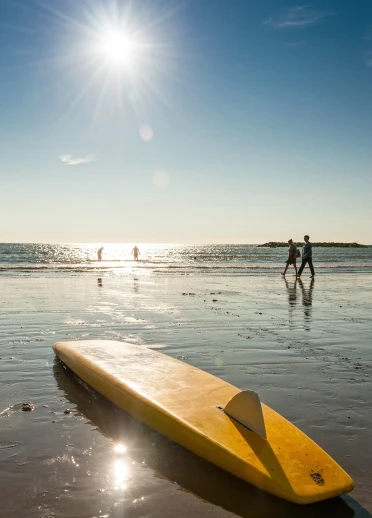

Whitesands beach, Pembrokeshire
- Lifeguarded or supervised: Seasonally lifeguarded.
- Facilities: Café and toilets near the car park.
- Water depth and conditions: Open sandy bay; surf and changing conditions common.
- Best time to swim: When lifeguards are on duty.
- Popularity: Very popular in summer.
Set beneath the craggy slopes of Carn Llidi, Whitesands Bay, is one of the most striking places to swim on the St Davids Peninsula. The wide sweep of pale sand curves north towards the rocky headland of St Davids Head, with the Pembrokeshire Coast Path passing close by - ideal if you want to cool off after a coastal walk.
Whitesands is also one of Pembrokeshire’s best-known surfing beaches, so swimmers should stay aware of changing conditions and keep to lifeguarded areas when patrols are in place.
Parking near the beach can be limited at busy times, so it’s worth checking local transport options, including the seasonal Celtic Coaster shuttle bus.
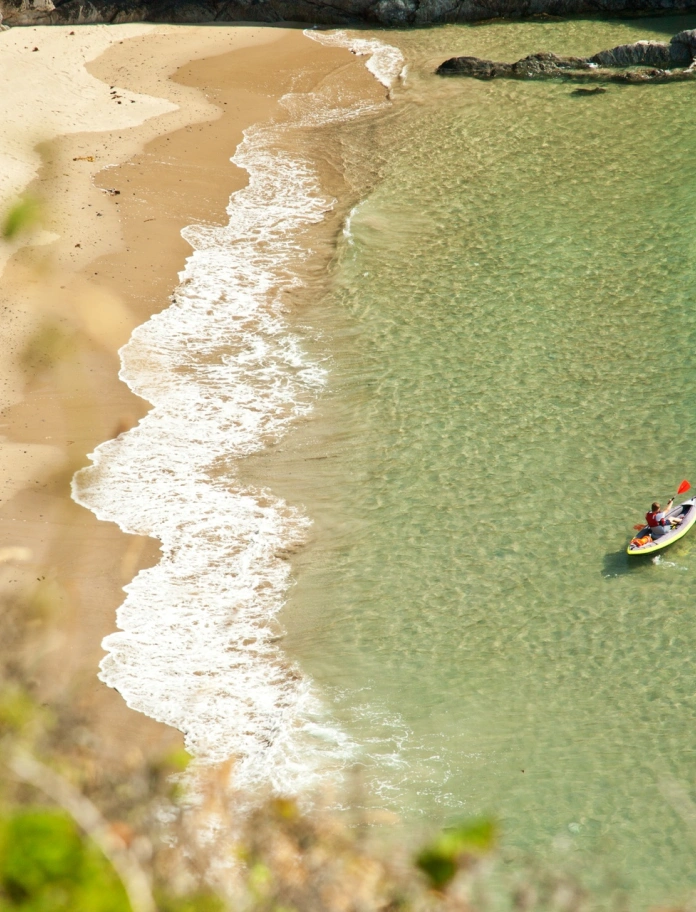
Tor Bay, Abertawe
- Lifeguarded or supervised: Not lifeguarded.
- Facilities: No main beach facilities.
- Water depth and conditions: Strong rip currents possible; not ideal for casual swimming.
- Best time to swim: Under supervision.
- Popularity: Quieter and more secluded.
One is for the more experienced wild swimmer, Tor Bay beach is a beautiful, quieter bay, off the beaten track just a 20-minute walk from Penmaen village.
The reason that Tor Bay is best for more confident swimmers is that it is not overseen by lifeguards, so it’s recommended not to swim alone and take adequate precautions.
After your swim, take a walk out onto Great Tor to take in the amazing views of Three Cliffs Bay and Oxwich Bay.
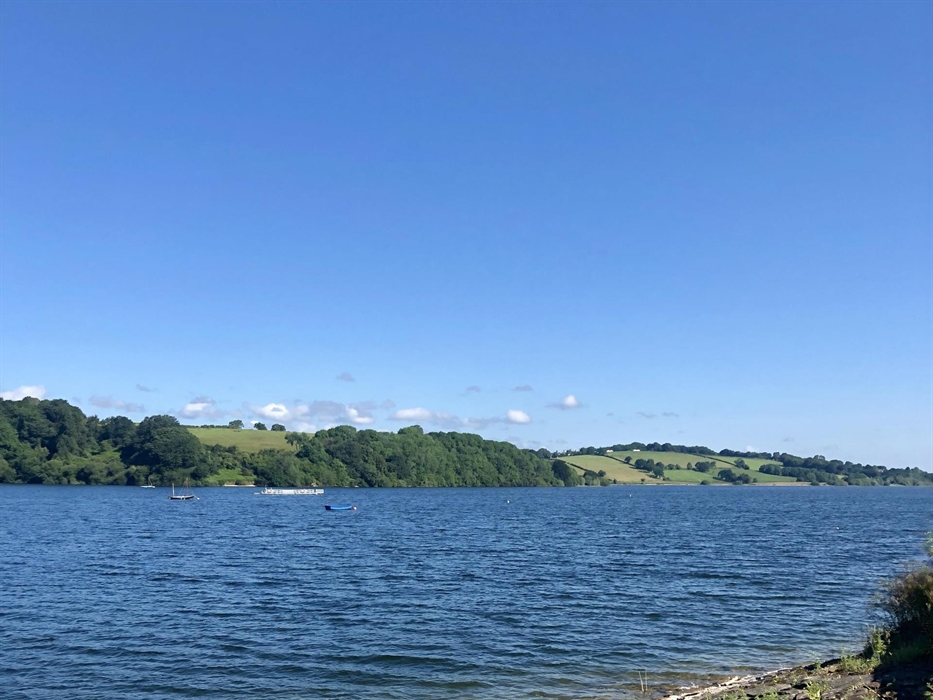
Cold water dipping in two scenic South Wales reservoirs
For a freshwater swim or dip, head to Llandegfedd Lake in Pont-y-pŵl (Pontypool), or Lisvane & Llanishen Reservoirs in Caerdydd (Cardiff). Both are owned by Dŵr Cymru, and accredited Swim Wales S.A.F.E. Cymru sites.
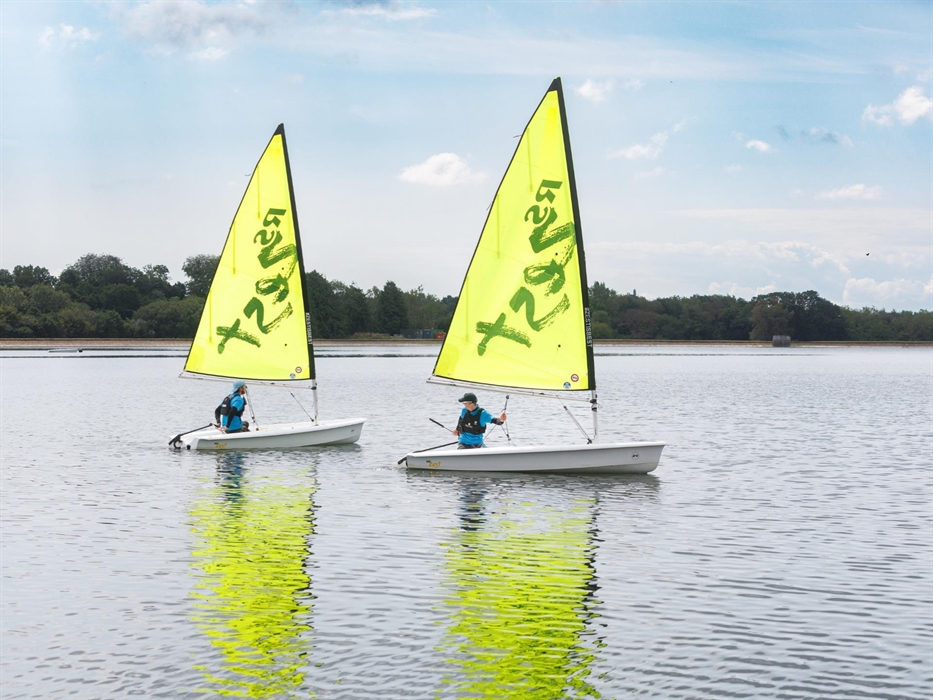
Confident swimmers can try out various courses, ranging from around 100 - 300 metres, all under lifeguard supervision. You will start with cold-water dipping induction session, usually between May and October, after which you can don your goggles and take the plunge.
Induction before immersion
The induction session is required by Welsh Water to ensure your safety. Led by a senior watersports instructor, it covers everything from essential safety information and recommended equipment to best practice and the health benefits of cold-water dipping.
Once you have completed the two-hour accredited induction, you can take your first guided cold-water dip in the clean, regularly tested waters. After that, you’ll be able to join regular organised dips throughout the year, with session availability varying by season.
As unauthorised swimming in reservoirs can pose a danger to life, these supervised sessions are the perfect way to enjoy the water safely while enjoying the natural environment and stunning scenery that surrounds the reservoirs.

Llandegfedd Lake
- Lifeguarded or supervised: Supervised during organised open-water sessions.
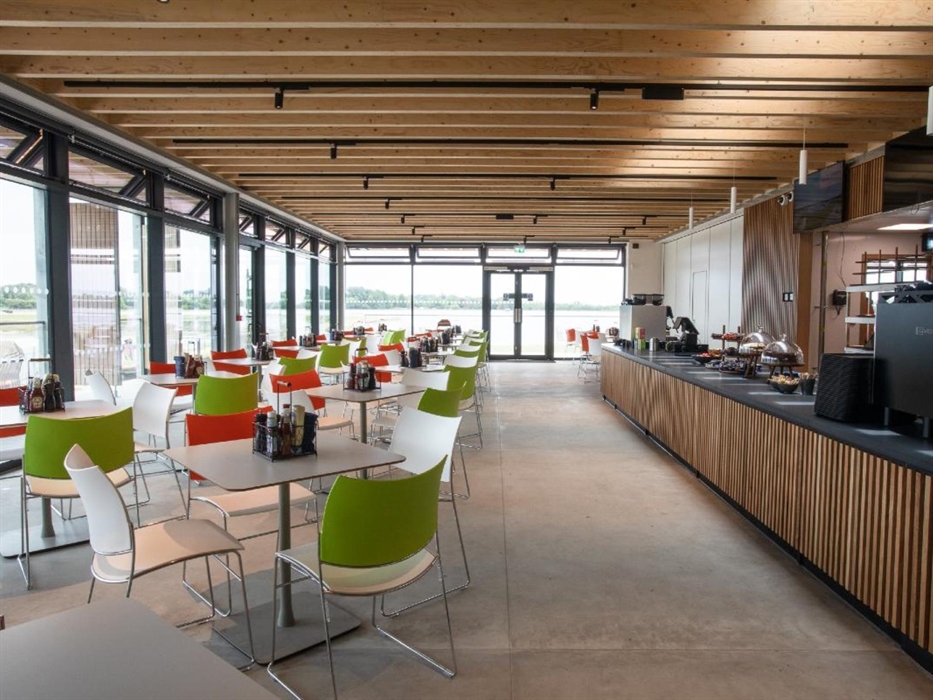
- Facilities: Visitor centre, café, toilets and changing facilities.
- Water depth and conditions: Deep reservoir; swimming restricted to designated areas.
- Best time to swim: During booked open-water swimming sessions.
- Popularity: Managed sessions; popularity varies by booking availability.
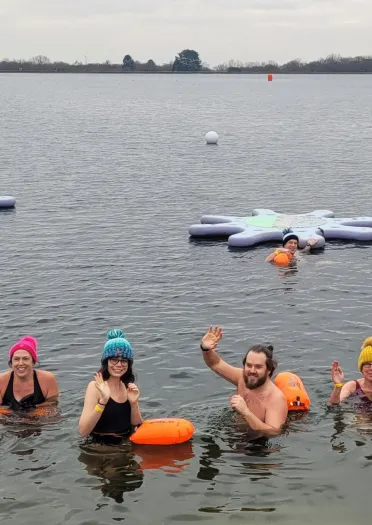
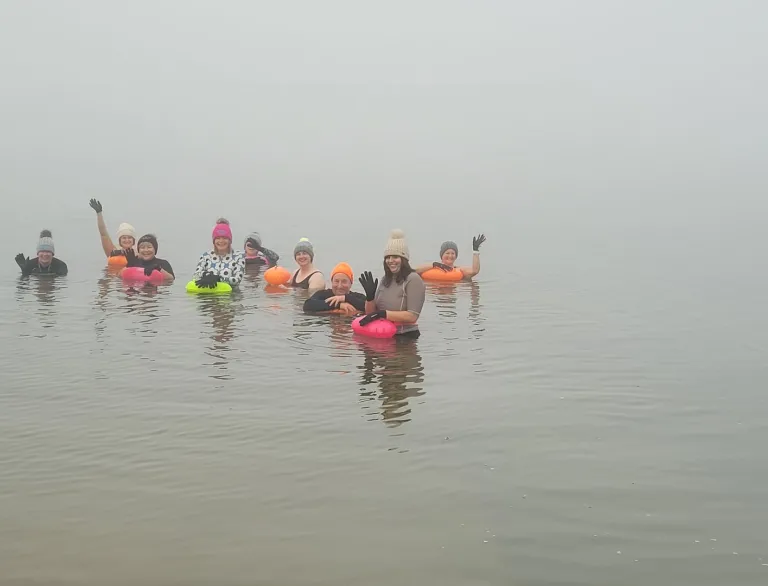
At Llandegfedd Lake, Pont-y-pŵl, cold water dipping inductions take places in various dates, including weekends. Dips take place four mornings a week throughout the year.
Lisvane & Llanishen Reservoirs
- Lifeguarded or supervised: Supervised during organised swimming / dipping sessions.
- Facilities: Visitor centre, café, toilets and changing facilities.
- Water depth and conditions: Reservoir setting; swimming restricted to designated areas.
- Best time to swim: During booked organised sessions.
- Popularity: Popular managed activity site.
At Lisvane & Llanishen Reservoirs, Caerdydd, cold water dipping inductions take place three times a week including weekends. Dips take place every day October - April, reduced days until May - September.
Be safe!
The Welsh coast can be fantastic fun and provides great opportunities for adventurous activities, but please read up on the risks and make sure you are prepared.
- Follow these tips from the RNLI for staying safe on the Welsh coast.
- Visit AdventureSmart.uk for further information on how to stay safe whilst exploring Wales.