-
Question 1: Who was St David and what did he do?
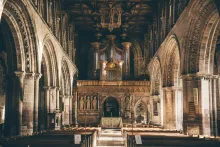
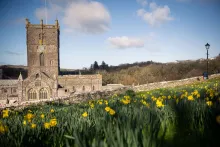
Answer: St David became a renowned preacher, founding monastic settlements and churches in Cymru, Brittany and southwest England – including, possibly, the abbey at Glastonbury. St David reputedly made a pilgrimage to Jerusalem, from which he brought back a stone that now sits in an altar at St Davids Cathedral, built on the site of his original monastery.
-
Question 2: When and where was St David born?
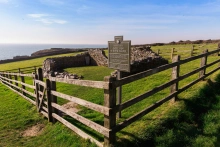
Answer: St David was born in the year 500, the grandson of Ceredig ap Cunedda, King of Ceredigion. According to legend, his mother St Non gave birth to him on a Pembrokeshire clifftop during a fierce storm. The spot is marked by the ruins of Non’s Chapel, and a nearby holy well is said to have healing powers.
-
Question 3: What was St David known for during his lifetime and what was St David’s lifestyle like?
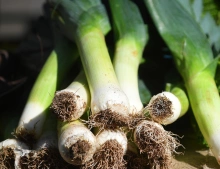
Answer: St David and his monks followed a simple, austere life. They ploughed the fields by hand, rather than using oxen, and refrained from eating meat or drinking beer. St David himself was reputed to have consumed only leeks and water – which is perhaps why the leek became a national symbol of Wales.
-
Question 4: What miracles did St David perform?
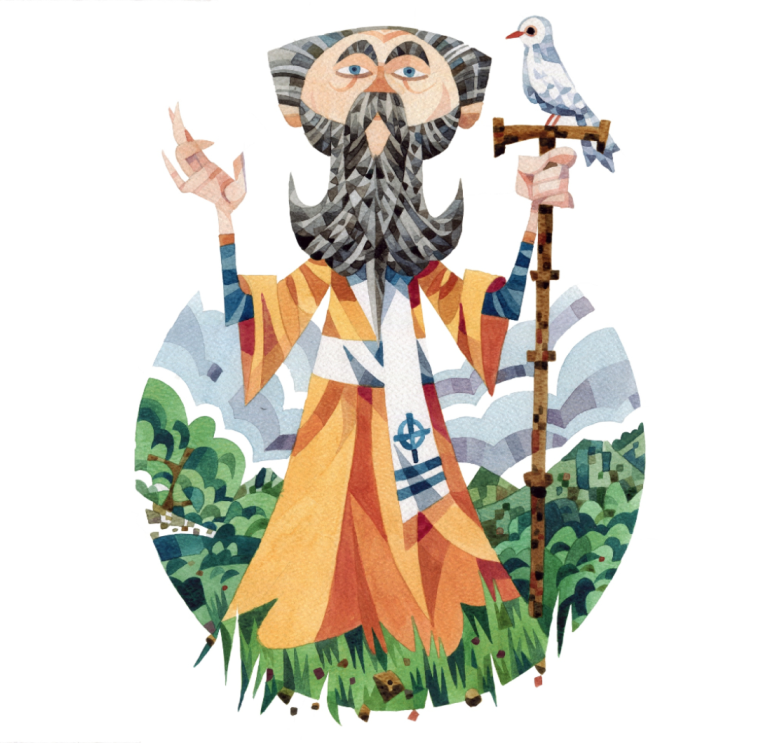
Answer: The most famous miracle associated with St David took place when he was preaching to a large crowd in Llanddewi Brefi. When people at the back complained that they could not hear him, the ground on which he stood rose up to form a hill. A white dove, sent by God, settled on his shoulder.
-
Question 5: When did St David die and what is his legacy?
Answer: St David died on 1 March – St David’s Day - in 589. He was buried at the site of St Davids Cathedral, where his shrine was a popular place of pilgrimage throughout the Middle Ages. His last words to his followers came from a sermon he gave on the previous Sunday: ‘Be joyful, keep the faith, and do the little things that you have heard and seen me do.’ His legacy lives on through the phrase ‘Gwnewch y pethau bychain mewn bywyd’ - ‘Do the little things in life’ - which is still a well-known maxim in Cymru.
Related stories
Epic ways to celebrate St David’s Day
The first day of March is celebrated in Wales with parties and parades. Here's how to join the fun.
Historic monuments on the Pembrokeshire coast
A walk in the footsteps of saints, along the Welsh coastline between St Non's Chapel and St Davids.
Pembrokeshire
Discover the stunning beauty of the Pembrokeshire coast
Explore the beautiful beaches, craggy cliffs and wildlife-filled islands of Pembrokeshire.
Pembrokeshire
West Wales' special places of faith
West Wales has a fascinating religious heritage with much of it still possible to enjoy.
West Wales
We'd Like to Hear From You
By answering a few questions, we'll give you the chance to win one of three £100 prizes. By doing so you will also help us improve this website and help with your holiday planning and travel needs.
Good for you. Good for us. Teamwork!