For most people, Torfaen is probably best-known as the location of Blaenavon's UNESCO World Heritage Site industrial landscape, at the head of the Llwyd Valley. But there's much more to discover in the area at the eastern end of the South Wales Valleys. As a resident of neighbouring Monmouthshire, here are a few of my recommendations.
Torfaen Museum: Colourful county history
An excellent place to start your exploration is Torfaen Museum in Pont-y-pŵl (Pontypool). Found in a Georgian stable block with an attractive central courtyard, it's a fascinating repository of county history. You can see a range of artefacts that shed light on Torfaen's industrial and social heritage, including an impressive collection of Japanware (intricately-designed items made in Pont-y-pŵl in the middle of the 18th century). There's also gallery spaces showing a shifting programme of art and historic exhibitions.
Shell Grotto: A three-centuries-old summerhouse
This piece of unconventional architecture was commissioned by John Hanbury, the rich and powerful local ironmaster, in the late 18th century. Perching on a ridge within the Green Flag Award winning Pontypool Park (once owned by the Hanbury family), Shell Grotto is the finest surviving example of this singular type of building to be found in Wales. Built from local sandstone, the conical-roofed structure's exterior piques park visitors' interest but nothing prepares you for the interior: it is strikingly decorated in patterns made from colourful shells and animal bones. The building was painstakingly refurbished in 1996 to reflect every element of its original, odd glory!

Llandegfedd Lake: Watersports and wildfowl
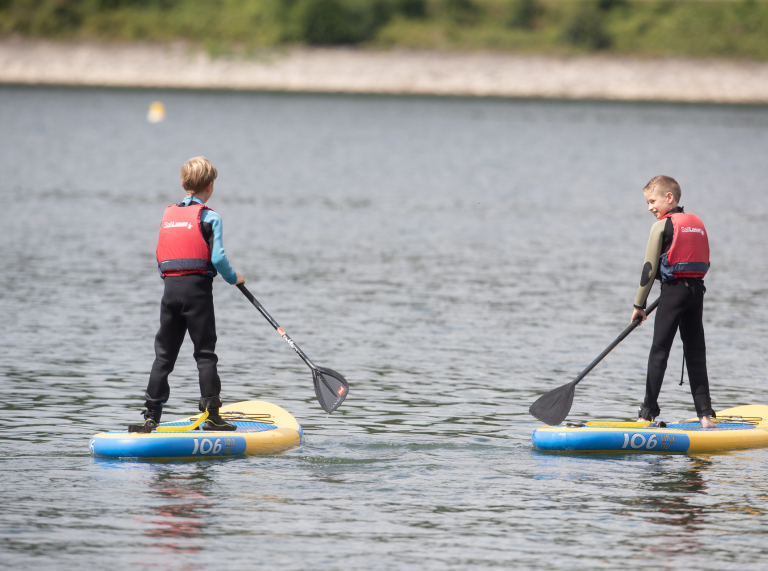
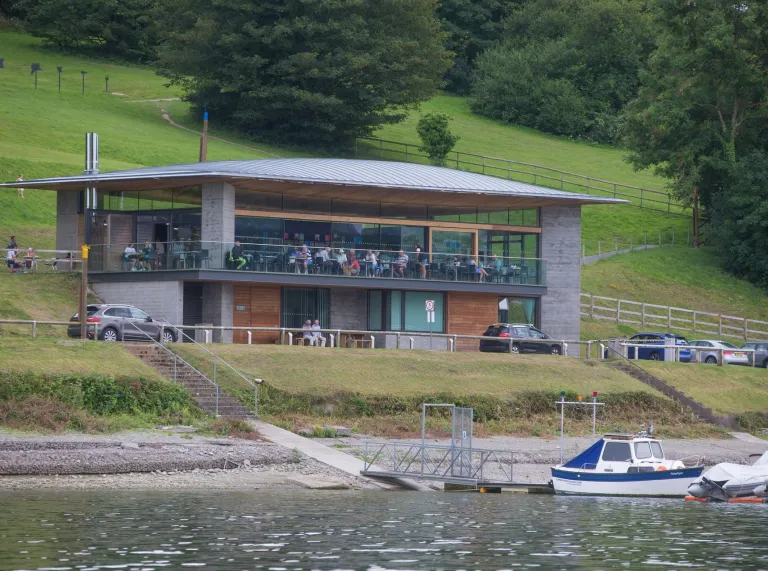
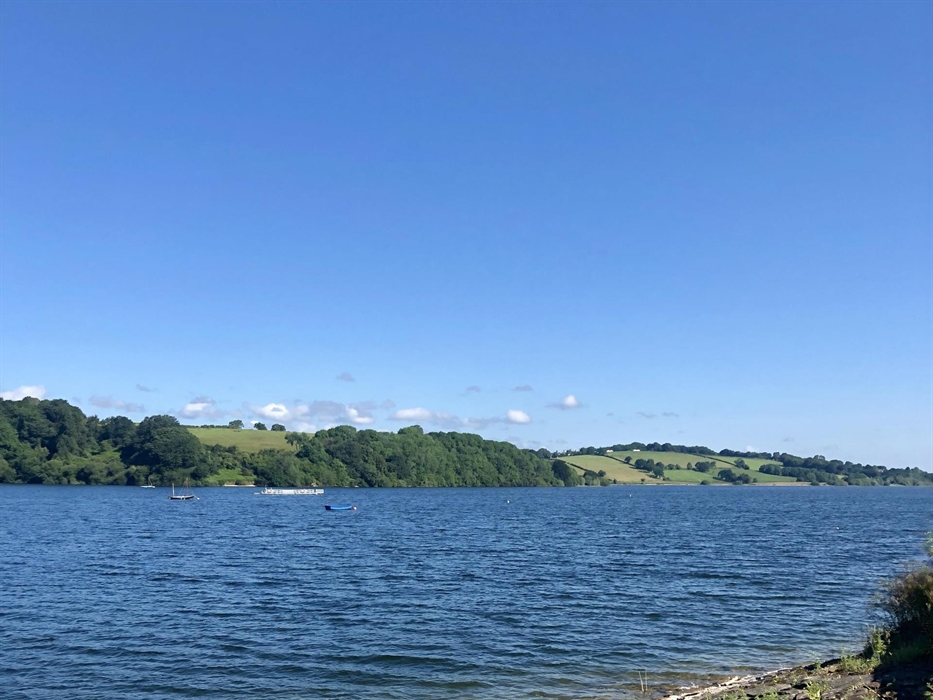
Enjoy the great outdoors at Llandegfedd Lake on Torfaen's eastern border with Monmouthshire. It's a hotspot for activities in, on and near the water. Intrepid adventurers can try their hand at a selection of watersports, including sailing, swimming, stand up paddleboarding, kayaking, windsurfing and powerboating, with equipment hire available from the dedicated Activity Centre. The stand-up pedalboards, which let you literally walk on water, are particularly good fun.
If you'd prefer to keep your feet dry, the lake is a great for a spot of fishing, with rainbow and brown trout – plus coarse species like bream, roach and pike – living in its depths. There's also a selection of walking trails, most of which start from Llandegfedd's Visitor Centre on the lake's south-eastern shore. The lake is also a wildlife haven and is one of South Wales' best birdwatching sites. Some 240 bird species have been recorded here, including a large number of over-wintering wildfowl. It's one of the best lakes to explore in Wales and a Green Flag Award winner.
Llantarnam Grange Arts Centre: Arresting artworks
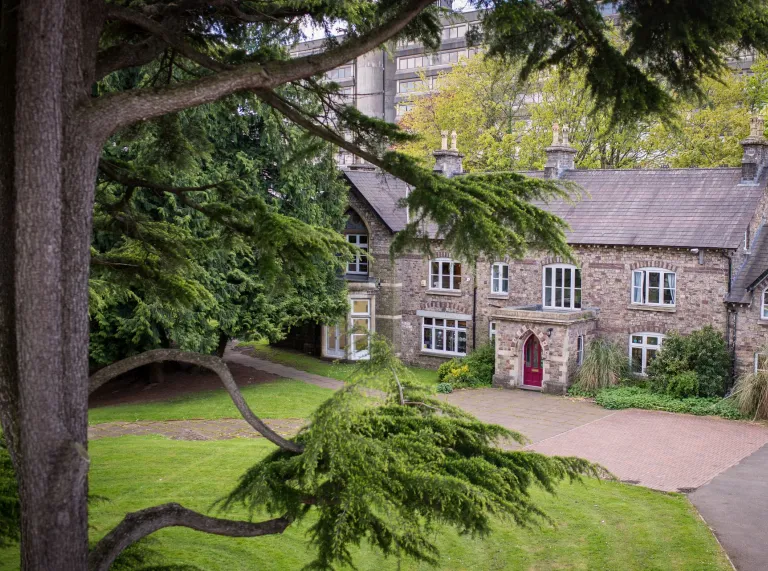
See stunning contemporary art from Cymru and beyond at Llantarnam Grange Arts Centre in Cwmbran. A permanent collection of works from artists like Arlie Panting, Jessie Bayes and Michael Crowther sits alongside a changing selection of exhibitions showcasing painting, ceramic, sculpture and textiles. If you're inspired by what you see, you can pick up one of a kind items from local and national makers in the craft shop or even take part in one of the centre's workshops to develop your own artistic skills.

Greenmeadow Community Farm: Farm fun
Spread over 150 acres near Cwmbran, lower down in the LLwyd Valley, Greenmeadow Community Farm is a delightful, all-weather day out for young agriculture enthusiasts. With a large collection of animals to see, indoor and outdoor play areas, tractor rides and regular activities, there's plenty to keep everyone busy. And if you need a break from the action, you can also relax in the friendly Farmer’s Table restaurant, with snacks and treats made from fresh, locally-sourced ingredients.
Rhymney Brewery: Revamped valleys beer
Enjoy some proper South Wales Valleys flavour with a tour of Rhymney Brewery. Originally founded in Caerffili in the Rhymney Valley in 1839 to provide refreshment for the thirsty miners and steelworkers of the South Wales valleys, Rhymney became one of the country's biggest names in beer. The modern-day brewery has revived traditional brewing methods (as well as relocating to premises just over the road from Big Pit National Coal Museum in the UNESCO-listed Blaenavon Industrial Landscape), to create a range of ales that both taste great and reflect the area's rich history. You can go behind the scenes to see how the beer is made (and enjoy a few samples) at the brewery's newly refurbished visitor centre.