The bags are packed and you’re on your way to Wales. For the mountains and mists, perhaps. For the seas and shores. Or for an urban escape in a country where culture seems to be waiting for you at every turn.
But did you realise that you’ll also be stepping into a land with a remarkable linguistic character? A land where Cymraeg – the Welsh language – still very much reigns.
Britain’s oldest tongue has its roots in Celtic languages spoken on these isles two and a half thousand years ago. As far back as the eighth century, Offa’s Dyke, now a National Trail, marked the first clear border between the English speakers of the east and the Welsh speakers of the west.
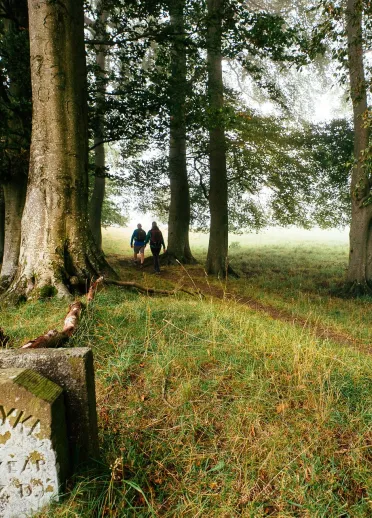
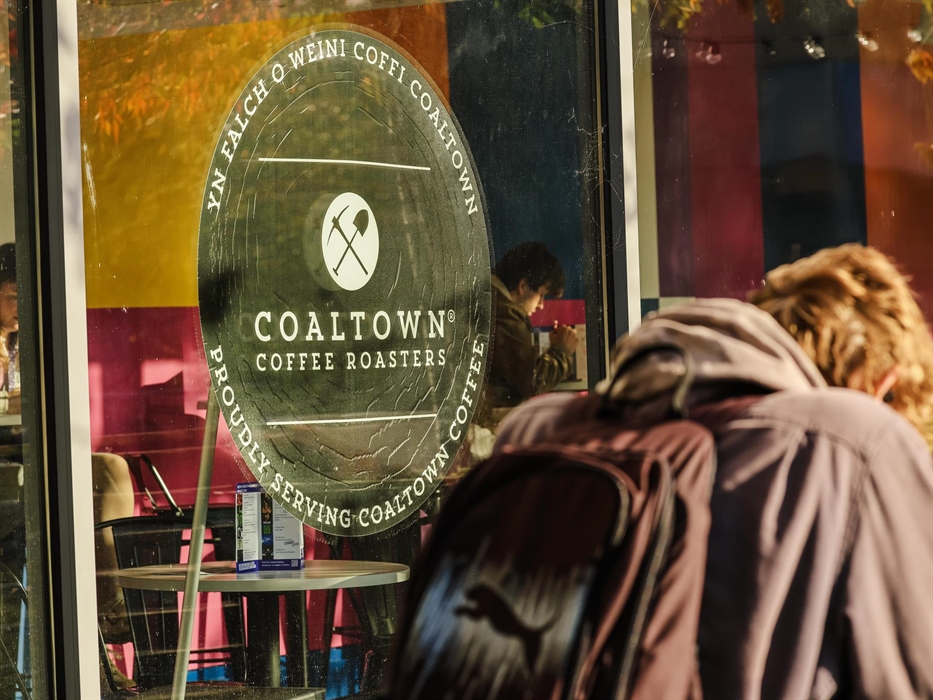
Yet Welsh is also very much the living language of today. You’ll see it and hear it on every street, on every mountain path, in pubs and cafés, on beaches and benches.
On your visit here, take a moment to absorb it. It will make your time here even more special!
A few facts about Welsh
Almost 900,000 people across Wales can speak Welsh. In some communities – especially in the north and west – around three quarters of people speak it as their mother tongue.
The language is also firmly woven into public life, with legislation protecting its status and all schools teaching it to pupils. Indeed, in many schools, Welsh is the main language of teaching.
Cymru is buzzing with adult learners too – people who didn’t grow up speaking Welsh but fell in love with the language. Who knows? You might even find yourself joining them…
Rhys IorwerthYet Welsh is also very much the living language of today. You’ll see it and hear it on every street, on every mountain path, in pubs and cafés, on beaches and benches."
The presence of place
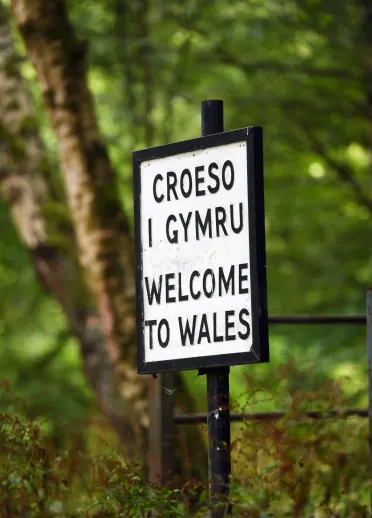
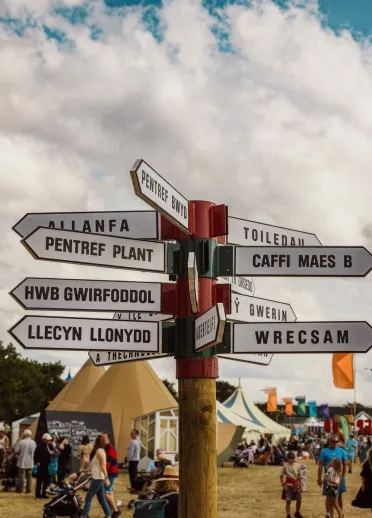
When you arrive, you’ll soon notice Cymraeg all around you. And nowhere is this more evident than in the names of places. Spot those signposts! These are names rooted in centuries of geography, myths, legends and identity.
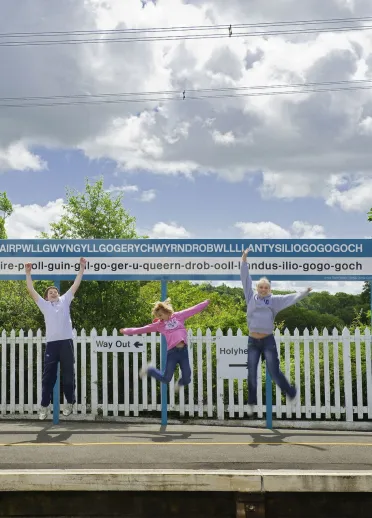
The MapLlais website is a great starting point for pronouncing them. Mind you, some may be more challenging than others, with Llanfairpwllgwyngyllgogerychwyrndrobwllllantysiliogogogoch on Ynys Môn (Anglesey) often claimed to be the longest place name in Europe, and the second longest in the world. Go on - give it a go…
Mad for music
One of the best ways to immerse yourself in the culture of Cymraeg is to go to places where it fills everyday life. Music is a great gateway.
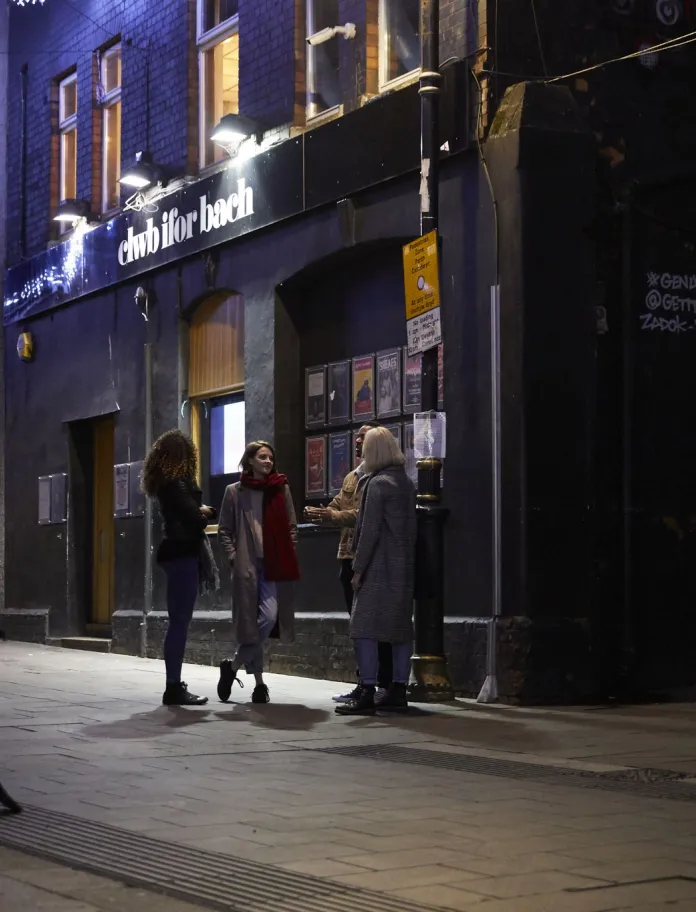
The Awni? website lists the latest Welsh language gigs across the length and breadth of the country. Or check out the latest listings at some iconic venues including Y Saith Seren (Wrecsam), Neuadd Ogwen (Bethesda), Tŷ Siamas (Dolgellau), Clwb y Bont (Pontypridd), Clwb Ifor Bach (Caerdydd (Cardiff)), Y Shed and Llofft (Y Felinheli), and Tŷ Tawe (Abertawe (Swansea)). Countless Welsh language rock and pop groups have raised the roof in these spaces over the years.
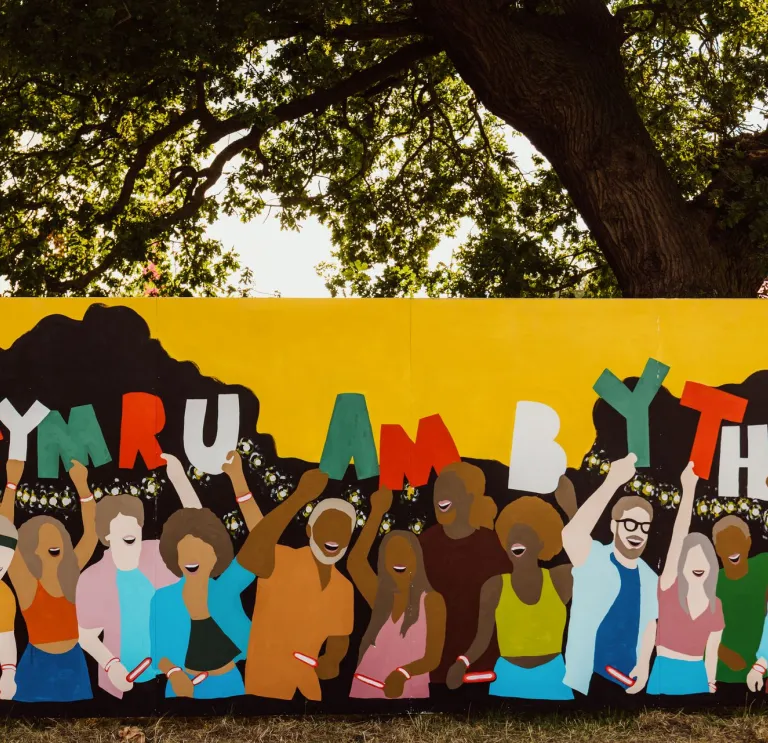
If you’re lucky, your visit may coincide with one of the numerous Welsh language music festivals held during the summer months. Among the highlights are Gŵyl Fach y Fro (Ynys y Barri); Gŵyl Tawe (Abertawe); Tafwyl (Caerdydd); Gŵyl Arall (Caernarfon); and Sesiwn Fawr (Dolgellau). If you’re here in the autumn, keep an eye out for the Sŵn music festival -a multi‑venue celebration that transforms Caerdydd into a buzzing hub of new music. Bonus points if you’ve gathered that ‘Gŵyl’ is the Welsh word for ‘Festival’.
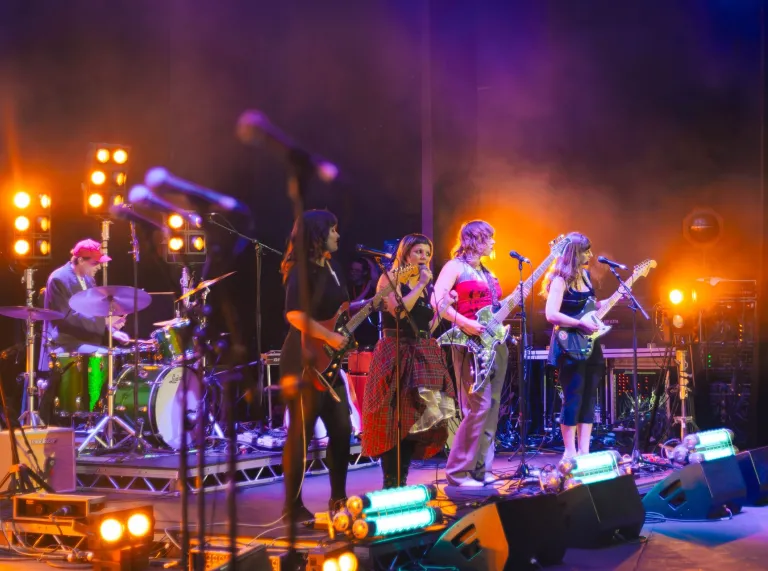
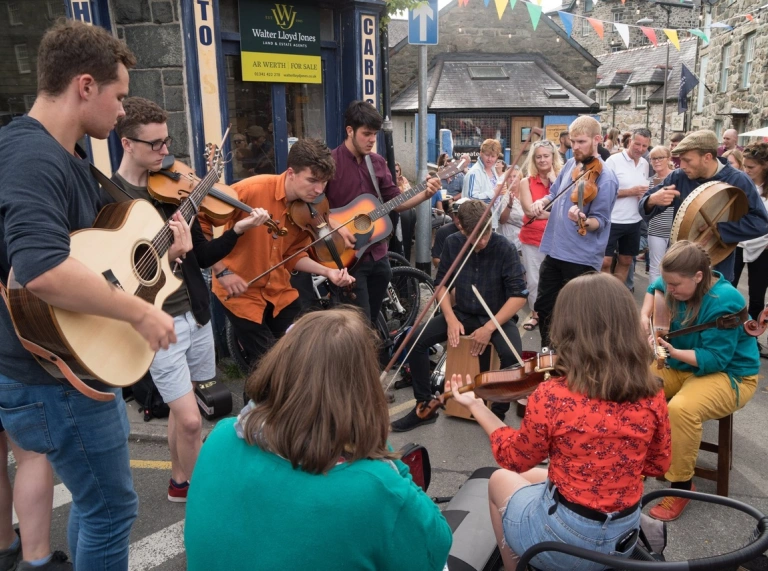
Meanwhile, Dydd Miwsig Cymru is a celebration of all kinds of Welsh language music, held on a specific date every February. Here’s broadcaster Huw Stephens to explain more. In the meantime, Spotify has plenty of Welsh language playlists for you to explore at your leisure.
Cornerstones of culture
Beyond just music, the National Eisteddfod for Wales, held during the first week of August, is a celebration of Welsh culture in all its myriad forms. Music, dance, drama, literature, family fun, art, performance, food, drink… You name it, you’ll find it here. The festival - whose origins date to the 12th century - moves around the country every year and warmly welcomes visitors from all parts.
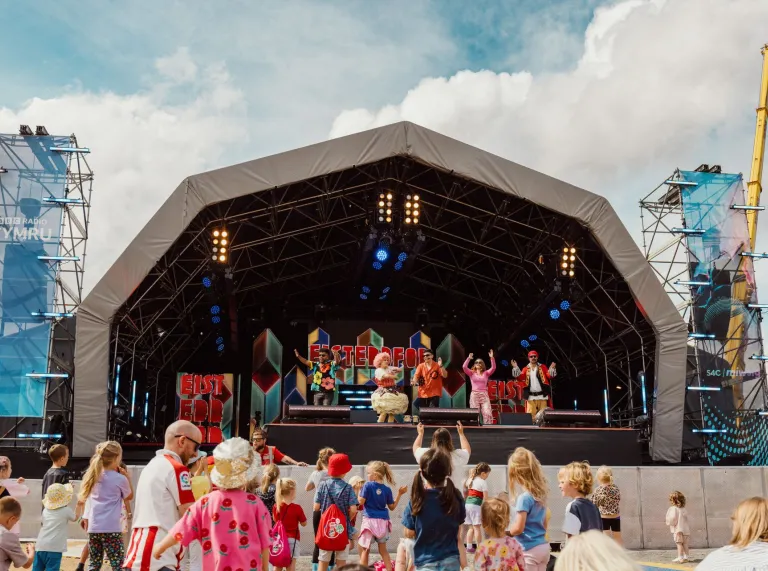
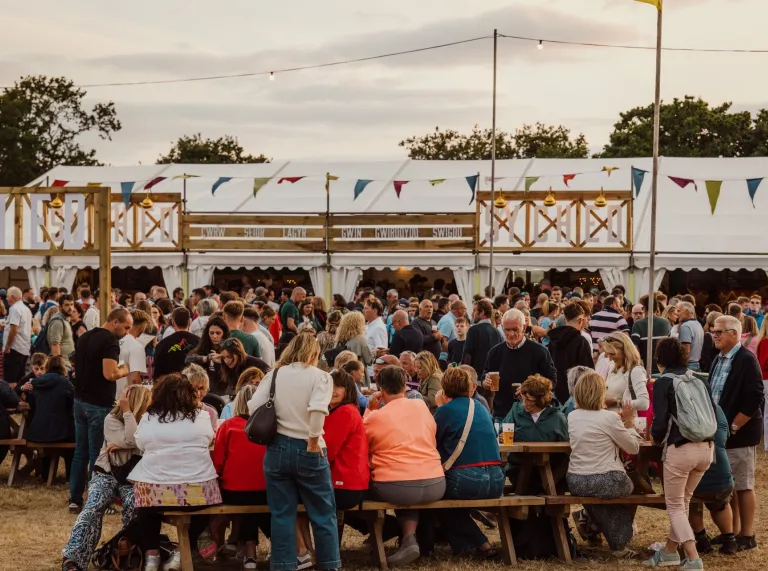
Its youth counterpart, Eisteddfod yr Urdd, is Europe’s largest festival for young people. Beginning on the Spring Bank Holiday weekend, it lasts seven days and is also well worth a visit.
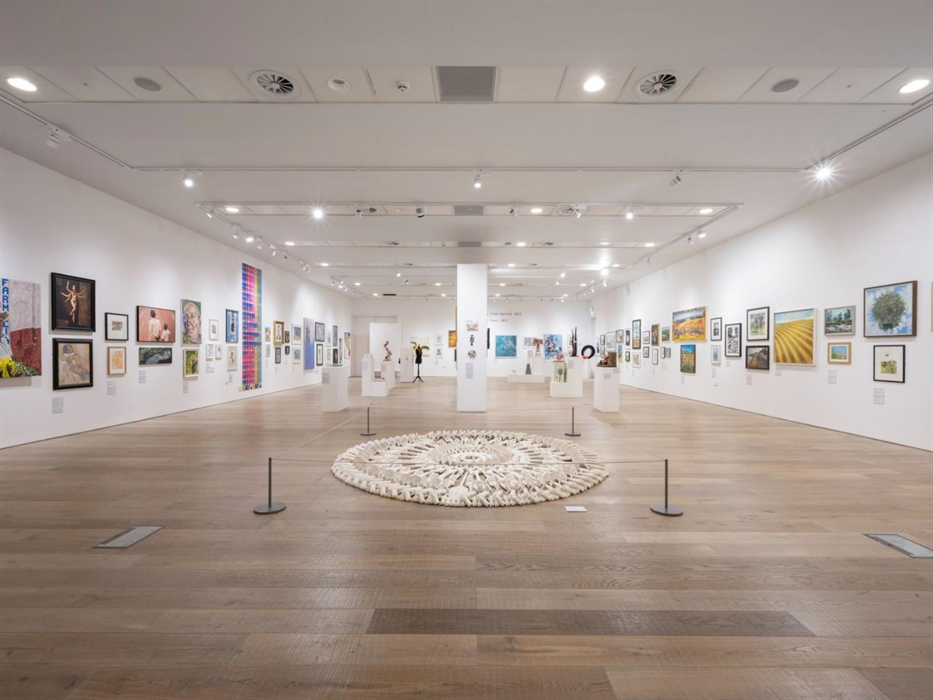
Throughout the rest of the year, theatrical venues across the country showcase the Welsh language in their programming. Major centres include Galeri (Caernarfon), Pontio (Bangor), Aberystwyth Arts Centre (Aberystwyth), The Riverfront Theatre and Arts (Casnewydd (Newport)), Mwldan (Aberteifi (Cardigan)), Tŷ Pawb (Wrecsam), Theatr Clwyd (Yr Wyddgrug (Mold)), and Taliesin Arts Centre (Abertawe). Check their websites to see what’s on.
A pint down the pub (or a browse in a bookstore)
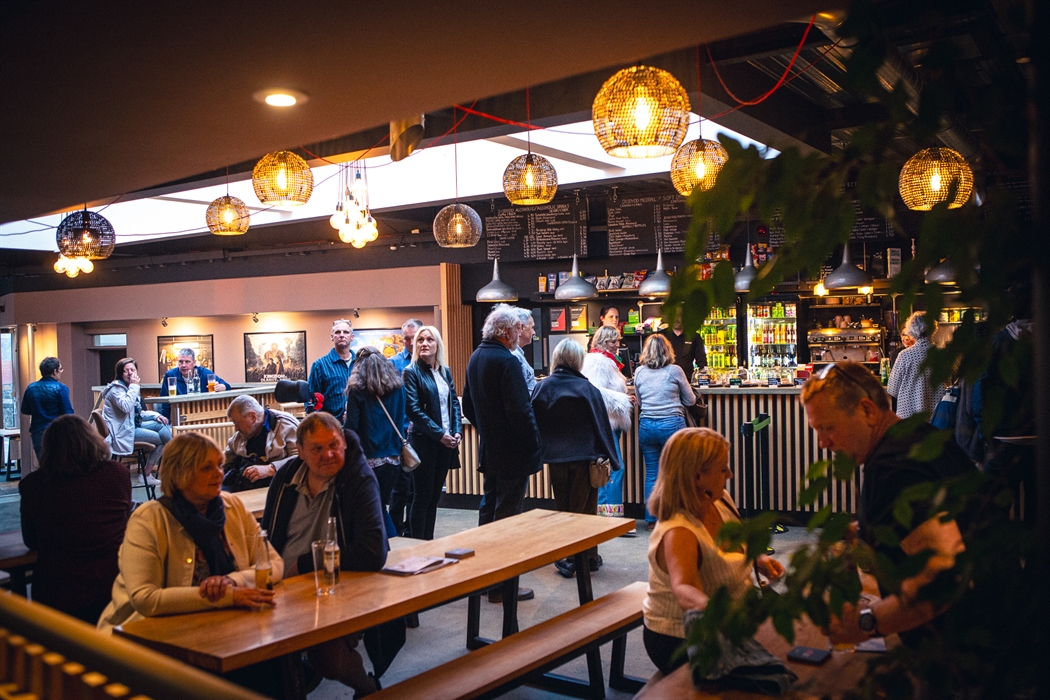
An extraordinary feature of rural Wales is its abundance of community pubs. These are unique hostelries run by the community, for the community – having usually been saved from closure by enterprising volunteers.
Found mainly in the Welsh-speaking heartlands, go for the ale and the fine food, and come away with some wonderful everyday Welsh ringing in your ears! To name a handful, try Yr Iorwerth in Bryngwran; Tafarn y Fic in Llithfaen; Y Pengwern in Llanffestiniog; Ty’n Llan in Llandwrog; Tafarn Sinc in Rhos-y-bwlch (Rosebush); or Tafarn Dyffryn Aeron in Felinfach.
Meanwhile, on the high street, look out for the ubiquitous Welsh language bookstores. Most major towns have them. They stock all things Welsh, act as community hubs, and frequently hold gatherings – creating an independent, cultural backbone for their local areas.
A spot of sport
Whether it’s rugby or football, the Welsh are well known for their vociferous support for their national teams. During these occasions, the Welsh language plays a prominent part.
Catch an international football match at Cardiff City Stadium and witness the crowd belt out a few renditions of the legendary song, Yma o Hyd. Pure goosebumps.

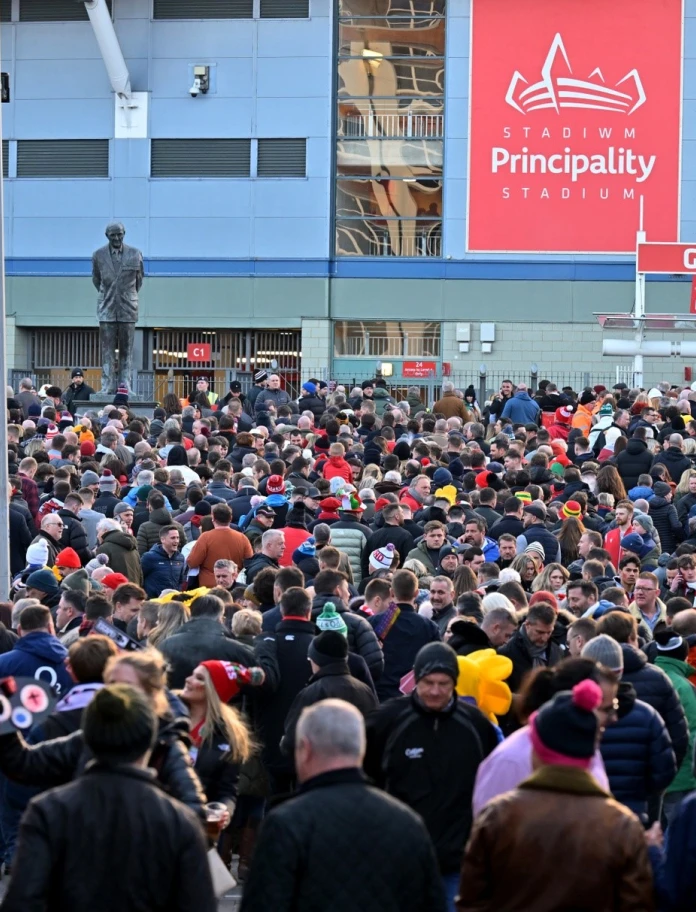
And when Wales play rugby at the magnificent Principality Stadium, most of Caerdydd (if not Wales) seems to come to a standstill. Hearing the national anthem, Hen Wlad fy Nhadau, reverberating around the ground is guaranteed to send shivers down your spine.
Give it a go!
The people of Wales are known for their warmth and hospitality, and trying out some of the local lingo will make you even more welcome!
A few greetings to begin with:
- Hello – Helô – hell-oh
- Bore da – Good morning – bo-ray-dah
- Prynhawn da – Good afternoon – prin-how’n-dah
- Nos da – Good night – nohs-dah
- Sut mae? – How are you? – sit-my
And some responses and pleasantries:
- Diolch – Thank you – dee-olch
- Diolch yn fawr – Thank you very much – dee-olch-un-vow-er
- Croeso – Welcome – croy-soh
- Hwyl – ’Bye – hoy-ul
Visit the Mentrau Iaith Cymru website for more – including a handy pronunciation guide. They also have a guide for community events that promote Welsh.
While out and about, look out for the orange Cymraeg speech-bubble badges worn by staff in shops, public buildings and businesses. They indicate that someone speaks Welsh and that others are welcome to speak Welsh with them.
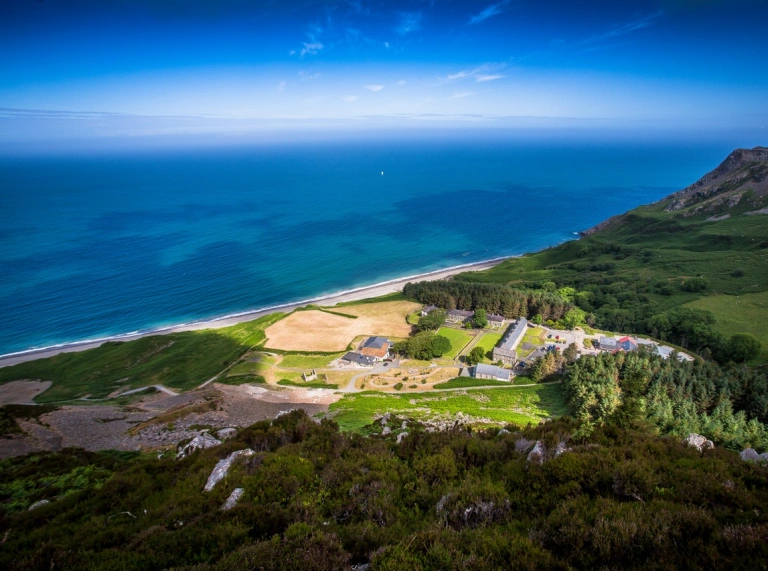
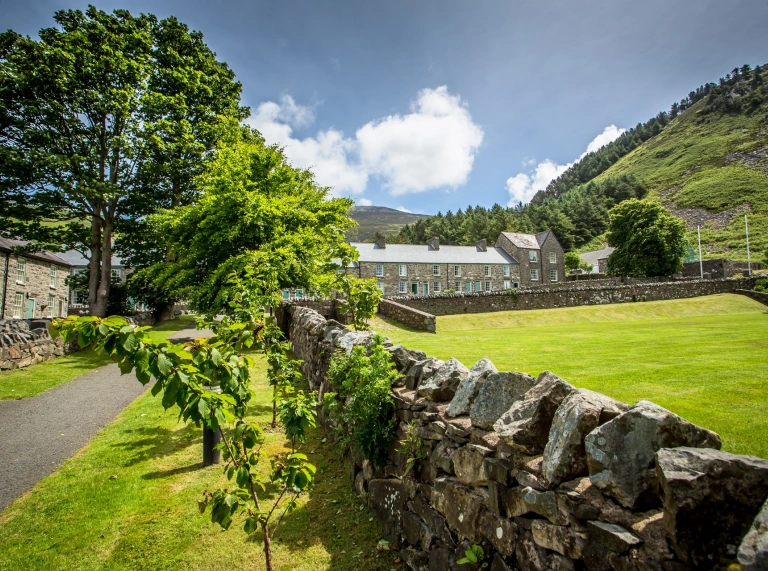
And if you’re really on a roll, why not explore the vast choice of courses available for Welsh learners – including those at the iconic, and truly spectacular, Nant Gwrtheyrn residential centre.
Cymraeg: Let's celebrate
As you wander around, you’ll soon come to understand why Cymraeg remains one of Britain’s true cultural treasures.
It is an ancient, melodious language that’s also an intrinsic part of local communities, their economy, and Wales’ unique identity today.
Embrace it, try it, celebrate it. And let Cymraeg add a new richness to your time here.